Keto vs. Mediterranean Diet: Which is Better for You?

This post contains affiliate links, which means we may earn a commission if you purchase through our links—at no extra cost to you. As an Amazon Associate we earn from qualifying purchases. We only recommend products we use or trust. Learn more about affiliate marketing or read our full disclosure.
When it comes to Keto vs Mediterranean diet—which one actually delivers lasting health benefits?
While keto promises rapid results through strict carb elimination, the Mediterranean diet offers a more balanced, research-backed approach that people can realistically maintain for life.
Personally, I’m skeptical of keto. Eliminating entire food groups isn’t something most people can—or should—stick with long term.
In this article, we’ll break down keto vs Mediterranean diet and explore why the Mediterranean diet consistently comes out on top as the healthier, more sustainable option.
What Is the Mediterranean Diet?
The Mediterranean diet is all about eating the way people in countries like Greece, Italy, and Spain have for generations. But it’s not just a list of foods—it’s more of a lifestyle.
A way of living that’s sustainable, balanced, and focused on nourishing your body in the long run.
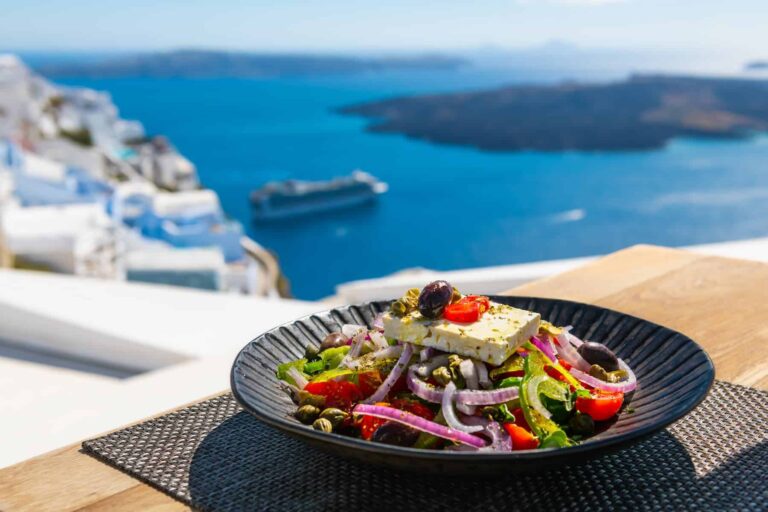
Here’s what it’s all about:
The best part?
The Mediterranean diet doesn’t cut out any major food groups. Instead, it’s all about variety, balance, and choosing real, minimally processed foods that nourish your body and soul.
related Posts:
- 9 Surprising Health Benefits of the Mediterranean Diet (Backed by Science)
- Mediterranean Diet Food List for Beginners: Your Simple Guide
- The Ultimate Mediterranean Diet Blueprint: How to Eat, Cook, and Thrive
- 15 Quick and Tasty Mediterranean Diet Breakfast Ideas
- Mediterranean Diet for Beginners: Your Complete Guide to Getting Started
- The Complete Mediterranean Diet Grocery List for Beginners
What Is the Keto Diet?
The keto (or ketogenic) diet is a low-carb diet all about high fat, very low carbs, and moderate protein.
The goal?
To get your body into a state called ketosis, where your body burns fat for energy instead of carbs. To get there, you need to cut your carb intake down to less than 50 g/day.
So, what does that mean in real terms?
Well, it means saying goodbye to or dramatically cutting back on:
- Most fruits
- Whole grains (sorry, no bread or pasta!)
- Legumes (like beans and lentils)
- Starchy veggies (goodbye, potatoes)
- A lot of plant-based foods
Instead, the keto diet emphasizes high fat intake (such as butter, cheese, oils, and fatty meats) with moderate protein—generally less than 1 gram per pound of body weight, or up to 1.5 grams per pound if you do intense exercise.
The idea is that by ditching carbs and loading up on fats, your body learns to burn fat for fuel instead.
RELATED POST: Keto Diet Risks You Need to Know: How Cutting Carbs Affects Your Health
Mediterranean Diet vs Keto: The Key Differences
Let’s break down the main differences between these two diets:
1. Balance vs Exclusion
The Mediterranean diet is all about balance—not exclusion. It includes a wide variety of nutrient-dense foods from every food group, emphasizing fruits, vegetables, whole grains, legumes, nuts, and healthy fats.
These fiber-rich, low-energy-density foods support fullness, gut health, immune function, and long-term weight control.
The Mediterranean diet is also recognized as a sustainable lifestyle pattern and is consistently associated with longevity, cardiovascular health, and overall well-being.
By embracing this diversity, you’re giving your body what it needs to thrive long term.
Now, the keto diet takes a much more restrictive approach, especially with carbohydrates. By cutting out many fiber-rich foods, it also removes the main fuel source for beneficial gut bacteria.
Studies show ketogenic diets can reduce levels of key microbes like Bifidobacterium and lower short-chain fatty acid production—both of which are vital for gut, immune, and metabolic health.
2. Gut Health: Diversity vs Disruption
Your gut is deeply connected to your immunity, metabolism, and even brain health.
The Mediterranean diet naturally feeds beneficial gut bacteria thanks to its fiber, polyphenols, and healthy fats from fruits, vegetables, whole grains, legumes, and olive oil.
Studies show it boosts key microbes like Bifidobacterium, Faecalibacterium prausnitzii, and Roseburia, which produce short-chain fatty acids that strengthen the gut lining, reduce inflammation, and support metabolism and brain function.
The Mediterranean diet is also linked to greater microbial diversity, lower pro-inflammatory bacteria, better insulin sensitivity, and healthier cholesterol levels.
Ketogenic diets, by contrast, dramatically alter the gut microbiome. Studies show they consistently reduce beneficial bacteria like Bifidobacterium.
While some short-term microbial changes may appear favorable in certain populations, researchers warn that keto produces mixed and unpredictable effects, with unknown long-term consequences.
book tip

The Mediterranean Dish
By Suzy Karadsheh
Want to elevate your dishes with amazing Mediterranean recipes? Then this New York Times best seller is a must!
*We may earn a commission at no extra cost to you.
3. Carbohydrates: Brain Fuel vs Restriction
One of the biggest myths the keto diet pushes is that carbs are bad for you. But carbs—especially from whole foods—are essential for your brain.
Glucose, which comes from carbohydrates, is your brain’s main fuel, and cutting carbs too drastically can affect memory and focus.
Studies in women on very low-carb diets found that memory performance drops when glycogen stores are low, even if mood and attention remain okay.
The Mediterranean diet, by contrast, provides slow-digesting carbs from whole grains, fruits, and vegetables, giving your brain steady energy.
It also delivers omega-3s from fish, antioxidants from nuts, seeds, and olive oil, and polyphenols from fruits and veggies—all supporting cognitive function, reducing oxidative stress, and protecting against age-related decline.
4. Sustainability: Flexibility vs Restriction
When it comes to long-term sustainability, the Mediterranean diet clearly wins.
It’s flexible, enjoyable, and easy to stick with. You can go out to eat, share meals with family and friends, and still feel satisfied.
The diet emphasizes whole foods, healthy fats from olive oil and nuts, fiber-rich grains, fruits, and vegetables.
Even better?
It encourages lifestyle habits like regular activity, good sleep, and social engagement—all of which support lasting health and weight management.
Keto (or very low-carb) diets, in contrast, can be tough to maintain. Research shows they often work in the short term, reducing fat mass and improving blood sugar for a few months, but their benefits diminish over time.
Restrictive food choices, nutrient imbalances, and low fiber intake can make keto hard to follow and even pose risks to metabolic and gut health.
Many people find it isolating and difficult to stick with, which makes it less practical as a long-term lifestyle.
5. Heart Health: Proven Benefits vs Uncertainty
When it comes to heart health, the Mediterranean diet has decades of strong research behind it.
Eating fish, olive oil, fruits, vegetables, whole grains, and nuts—and enjoying moderate alcohol—has been shown to:
- Lower LDL (bad cholesterol)
- Reduce inflammation
- Improve blood pressure
- Decrease the risk of heart attack and stroke
The keto diet, on the other hand, is a bit more of a mixed bag.
While some people may see short-term improvements in triglycerides, blood sugar, and weight, studies show it can also raise total cholesterol and LDL (the “bad” cholesterol).
Plus, high saturated fat intake and potential nutrient gaps mean keto may carry long-term heart risks.
In short: the Mediterranean diet is a heart-health superstar with decades of evidence, while keto’s effects are promising in the short term but come with uncertainty and potential risks.
book tip
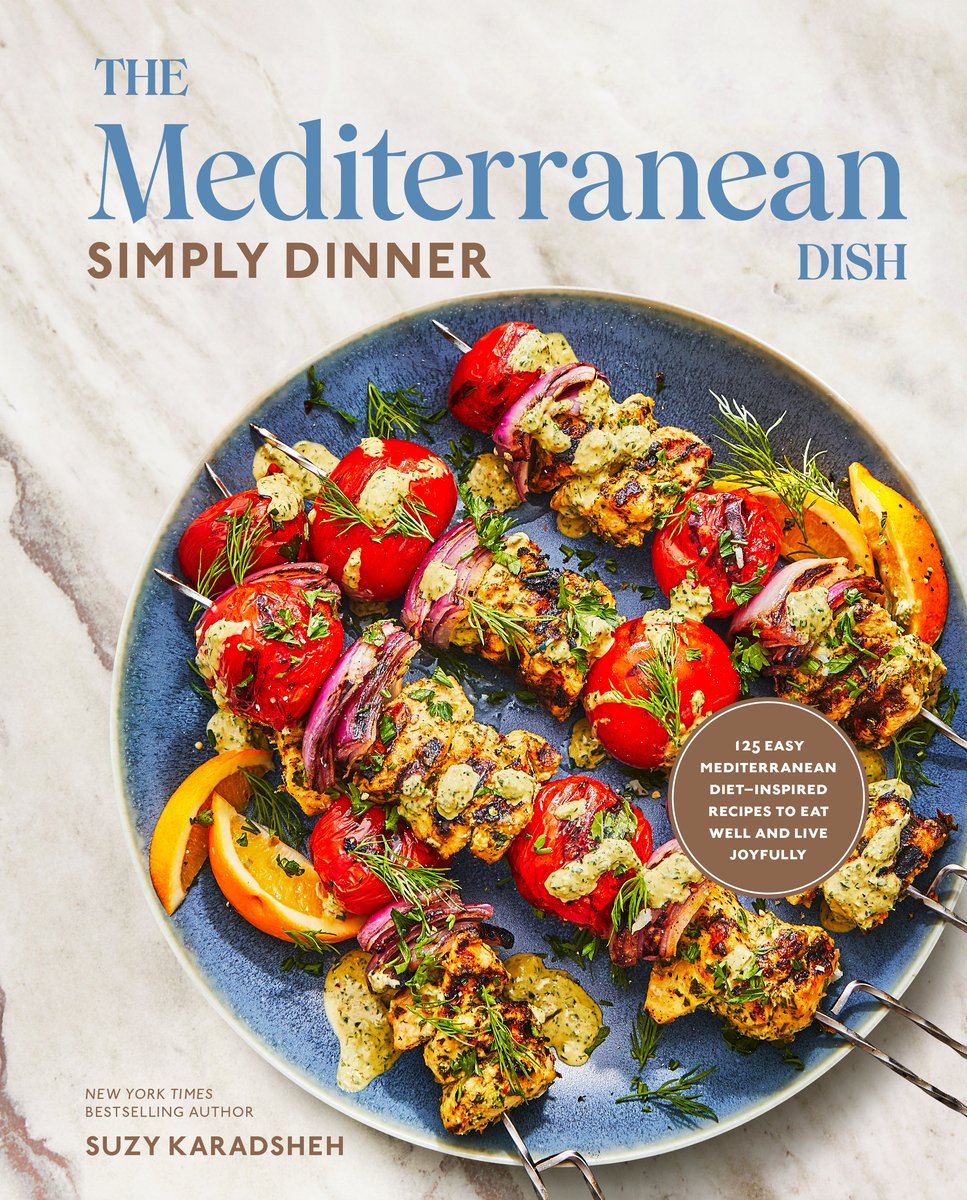
The Mediterranean Dish: Simply Dinner
By Suzy Karadsheh
Easy-to-make Mediterranean-inspired recipes by blogger and New York Times bestseller, Suzy Karadsheh.
*We may earn a commission at no extra cost to you.
The Danger of Excluding Whole Food Groups
Any diet that cuts out entire categories of nutrient-rich foods—like fruits, whole grains, and legumes—can be risky.
Unfortunately, that’s exactly what the keto diet does.
Restricting carbs may cause:
- Nutrient gaps – missing out on vitamins C and B, magnesium, potassium, and other essential nutrients
- Digestive issues – low fiber can lead to constipation and negatively affect gut health
- Mood and energy swings – low carbs can impact serotonin, the “feel-good” hormone, and impair brain function
- Long-term health risks – missing plant compounds that protect against chronic diseases
Keto can also bring short-term side effects like headaches, fatigue, and “keto flu,” making adherence difficult.
Long-term studies suggest that its metabolic benefits often fade after a few months, while the risk of high cholesterol, gut disruption, and nutrient deficiencies persists.
By contrast, the Mediterranean diet focuses on balance and variety, including fruits, vegetables, whole grains, legumes, nuts, and healthy fats. No extreme restrictions—just nutrient-rich, real foods that support overall health, mood, and long-term well-being.
Mediterranean Diet and Mental Health
It’s not just your body that benefits from the Mediterranean diet—your mind does too.
Studies show that people who follow this way of eating tend to have lower rates of depression and anxiety.
One reason?
Vegetable-rich meals appear to reduce the risk of depressive symptoms, making them a simple but powerful mental health tool.
Carbohydrates also play a starring role. Whole grains, legumes, fruits, and veggies provide complex carbs, which fuel your brain and help produce serotonin, the neurotransmitter that regulates mood.
Without enough carbs—like on the keto diet—this balance can be disrupted, leaving you feeling irritable, low, or foggy.
In short, the Mediterranean diet nourishes both your body and brain, supporting stable energy, better mood, and sharper thinking—no extreme restrictions required.
book tip
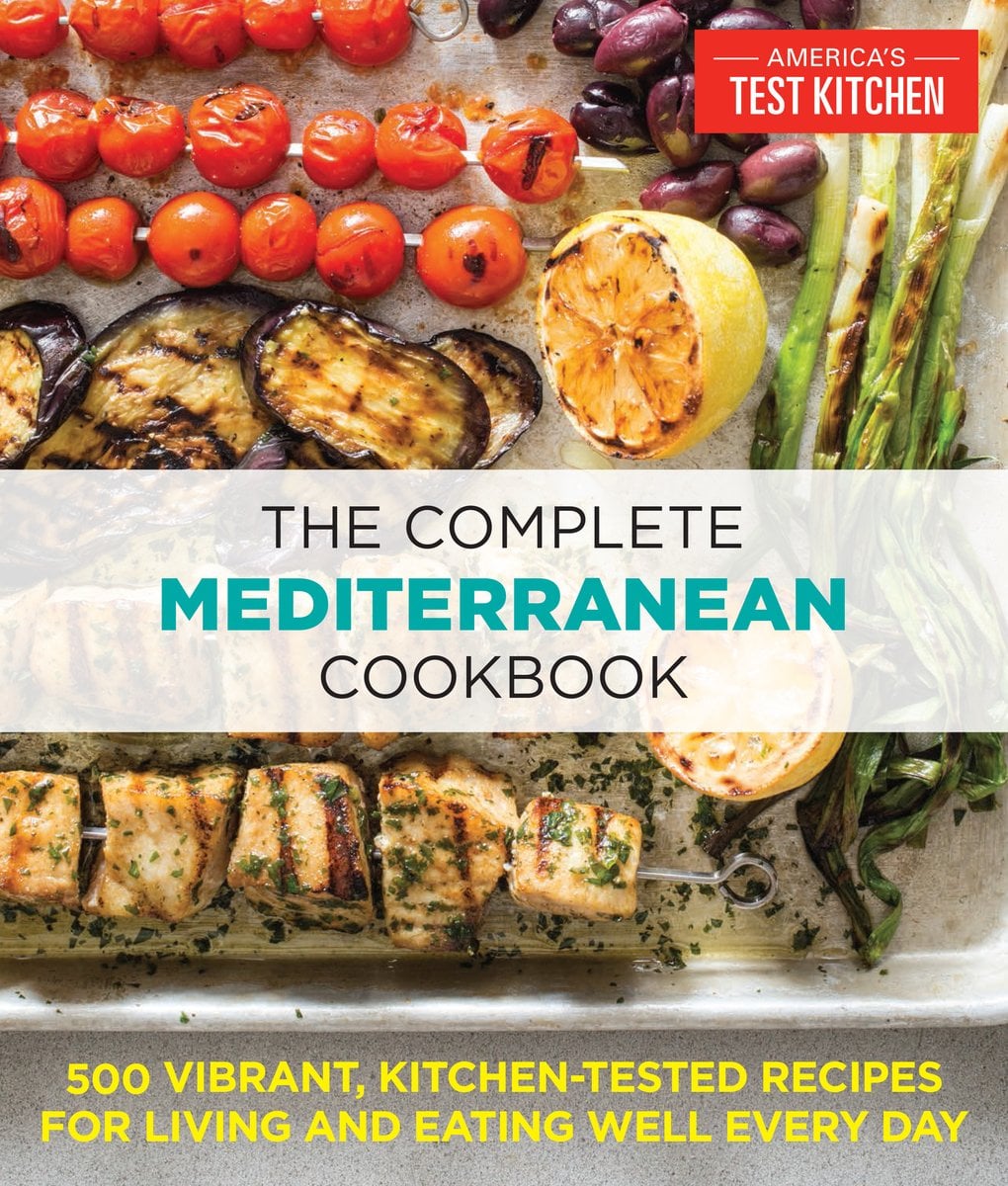
The Complete Mediterranean Cookbook
By America’s Test Kitchen
Want to cook more Mediterranean foods? Then you’ll love this one.
*We may earn a commission at no extra cost to you.
Why Cutting Carbs Can Be Harmful
Let’s set the record straight: not all carbs are bad.
Complex carbs from whole grains, fruits, and vegetables are your friends. They’re packed with fiber, vitamins, and minerals that your body and brain rely on for energy, focus, and overall health.
These healthy carbs do more than just fuel your workouts or long workdays—they also feed your gut.
Fiber-rich carbs act as prebiotics, supporting beneficial gut bacteria like Bifidobacteria and Lactobacilli, which help regulate metabolism, reduce inflammation, and keep your immune system strong.
Cutting these foods, as the keto diet does, forces your body into an unnatural state. You may experience fatigue, mood swings, and digestive issues.
Over the long term, very low-carb diets—especially those that replace plant foods with animal fats or proteins—have been linked to higher health risks, including metabolic disturbances and increased mortality.
On the flip side, carbs from plant sources (whole grains, legumes, fruits, and vegetables) are associated with better long-term health outcomes.
The takeaway?
Not all carbs are created equal. Choosing the right ones—whole, minimally processed, and fiber-rich—keeps your brain sharp, your gut happy, and your body thriving.
Mediterranean Diet: A Pattern for Life
What really sets the Mediterranean diet apart is that it’s not just a temporary “diet” or quick fix. It’s a lifestyle—one that’s backed by decades of research showing its long-term benefits.
Here’s what makes it so special:
- Flexibility – No food is completely off-limits. You can enjoy everything in moderation.
- Balance – It gives you a perfect mix of healthy fats, carbs, and proteins, so your body gets exactly what it needs.
- Deliciousness – Meals are flavorful, satisfying, and varied—never boring!
- Science – There’s solid, evidence-backed research showing that it has protective effects on your heart, brain, and overall health.
The Mediterranean diet is something you can actually live with, not just try for a few weeks. It’s a pattern of eating that’s made to last a lifetime.
Final Verdict: Mediterranean Diet vs Keto
When it comes to choosing between the Mediterranean diet vs keto, the winner is pretty clear.
Here’s why the Mediterranean diet comes out on top:
On the flip side, the keto diet’s extreme carb restriction and elimination of so many healthy foods can:
- Harm your gut microbiome — Cutting out fiber-rich foods can disrupt your digestion.
- Lead to nutrient deficiencies — Missing out on key vitamins and minerals.
- Impact mood and cognitive function — Low carbs can leave you feeling irritable and foggy.
- Be hard to stick with — It’s restrictive, and over time, that can wear you down.
If you’re looking for a diet that nourishes your body and mind without all the extreme restrictions, the Mediterranean diet is the smarter, safer, and more sustainable choice.
FAQs
*This article is for informational purposes only and is not intended as medical advice. It should not be used to diagnose, treat, or prevent any health condition. Always consult a qualified healthcare professional before making any changes to your diet, exercise, or health routine.
Arshad, Muhammad Tayyab et al. “Role of Dietary Carbohydrates in Cognitive Function: A Review.” Food science & nutrition vol. 13,7 e70516. 1 Jul. 2025, doi:10.1002/fsn3.70516. Adapted and used under the Creative Commons Attribution 4.0 International License.
Barber, Thomas M., et al. "The Low-Carbohydrate Diet: Short-Term Metabolic Efficacy Versus Longer-Term Limitations" Nutrients 13, no. 4: 1187, 2021, https://doi.org/10.3390/nu13041187. Adapted and used under the Creative Commons Attribution 4.0 International License.
Batch, Jennifer T et al. “Advantages and Disadvantages of the Ketogenic Diet: A Review Article.” Cureus vol. 12,8 e9639. 10 Aug. 2020, doi:10.7759/cureus.9639. Adapted and used under the terms of the Creative Commons Attribution 4.0 International License.
Burén, Jonas et al. “Effects of a Ketogenic Diet on Body Composition in Healthy, Young, Normal-Weight Women: A Randomized Controlled Feeding Trial.” Nutrients vol. 16,13 2030. 26 Jun. 2024, doi:10.3390/nu16132030. Adapted and used under the terms of the Creative Commons Attribution 4.0 International License.
D'Anci, Kristen E et al. “Low-carbohydrate weight-loss diets. Effects on cognition and mood.” Appetite vol. 52,1 (2009): 96-103. doi:10.1016/j.appet.2008.08.009. Accessed 30 January. Abstract only.
Di Rosa, Claudia et al. “Mediterranean Diet versus Very Low-Calorie Ketogenic Diet: Effects of Reaching 5% Body Weight Loss on Body Composition in Subjects with Overweight and with Obesity-A Cohort Study.” International journal of environmental research and public health vol. 19,20 13040. 11 Oct. 2022, doi:10.3390/ijerph192013040. Adapted and used under the terms of the Creative Commons Attribution 4.0 International License.
Finicelli, Mauro et al. “The Mediterranean Diet: An Update of the Clinical Trials.” Nutrients vol. 14,14 2956. 19 Jul. 2022, doi:10.3390/nu14142956. Adapted and used under the terms of the Creative Commons Attribution 4.0 International License.
Laoutari, Sotiria, Efstratios Christodoulou, and Antonios E. Koutelidakis. “A Narrative Review of the Mediterranean Lifestyle and Its Role in Obesity Prevention and Management.” Obesities, vol. 5, no. 2, 2025, p. 43, https://doi.org/10.3390/obesities5020043. Adapted and used under the terms of the Creative Commons Attribution 4.0 International License.
Luong, Thien Vinh et al. “Ketogenic Diet and Cardiac Substrate Metabolism.” Nutrients vol. 14,7 1322. 22 Mar. 2022, doi:10.3390/nu14071322. Adapted and used under the terms of the Creative Commons Attribution 4.0 International License.
O'Neill, Blair, and Paolo Raggi. “The ketogenic diet: Pros and cons.” Atherosclerosis vol. 292 (2020): 119-126. doi:10.1016/j.atherosclerosis.2019.11.021. Abstract only.
Perrone, Pasquale, and Stefania D'Angelo. “Gut Microbiota Modulation Through Mediterranean Diet Foods: Implications for Human Health.” Nutrients vol. 17,6 948. 8 Mar. 2025, doi:10.3390/nu17060948. Adapted and used under the terms of the Creative Commons Attribution 4.0 International License.
Picone, Pasquale et al. “Enriching the Mediterranean diet could nourish the brain more effectively.” Frontiers in nutrition vol. 11 1489489. 27 Nov. 2024, doi:10.3389/fnut.2024.1489489. Adapted and used under the terms of the Creative Commons Attribution 4.0 International License.
Rew, Leslyn et al. “The ketogenic diet: its impact on human gut microbiota and potential consequent health outcomes: a systematic literature review.” Gastroenterology and hepatology from bed to bench vol. 15,4 (2022): 326-342. doi:10.22037/ghfbb.v15i4.2600. Abstract only.
Seidelmann, Sara B et al. “Dietary carbohydrate intake and mortality: a prospective cohort study and meta-analysis.” The Lancet. Public health vol. 3,9 (2018): e419-e428. doi:10.1016/S2468-2667(18)30135-X. Abstract only.
Vinke, Petra C et al. “The Role of Supplemental Complex Dietary Carbohydrates and Gut Microbiota in Promoting Cardiometabolic and Immunological Health in Obesity: Lessons from Healthy Non-Obese Individuals.” Frontiers in nutrition vol. 4 34. 24 Jul. 2017, doi:10.3389/fnut.2017.00034. Adapted and used under the terms of the Creative Commons Attribution 4.0 International License.
Wang, Shun, et al. “The Impact of Very-Low-Calorie Ketogenic Diets on Gut Microbiota in Individuals with Obesity: A Systematic Review and Meta-Analysis.” Gut Microbes, vol. 17, no. 1, 2025, doi:10.1080/19490976.2025.2566305. Abstract only.
Wang, Zixuan et al. “Impact of the ketogenic diet as a dietary approach on cardiovascular disease risk factors: a meta-analysis of randomized clinical trials.” The American journal of clinical nutrition vol. 120,2 (2024): 294-309. doi:10.1016/j.ajcnut.2024.04.021. Abstract only.
Widmer, R Jay et al. “The Mediterranean diet, its components, and cardiovascular disease.” The American journal of medicine vol. 128,3 (2015): 229-38. doi:10.1016/j.amjmed.2014.10.014. Abstract only.

Malin, the co-founder of Courier Wellness, is well-informed in nutrition and health and brings her own unique perspective to the world of holistic wellness. With a passion for writing and a deep interest in wellbeing, she wants to create content that fosters balance and nourishment for the mind and body.