Salt Cravings Out of Control? Here’s What You Need to Know

This post contains affiliate links, which means we may earn a commission if you purchase through our links—at no extra cost to you. As an Amazon Associate we earn from qualifying purchases. We only recommend products we use or trust. Learn more about affiliate marketing or read our full disclosure.
Let’s be real—who hasn’t had that moment when you’re practically compelled to grab a salty snack?
Whether it’s chips, pretzels, or a handful of salted nuts, the urge to satisfy those salt cravings can hit hard. And honestly, once they start, they can feel nearly impossible to ignore.
But what happens when those cravings go from an occasional snack attack to something more persistent and out of control?
You might be surprised to hear that salt cravings are actually super common. A lot of people find themselves dealing with that overwhelming desire for salty foods more often than they’d like.
And here’s the thing: it’s not always just about the taste. Sometimes, there’s something deeper going on.
So, why do we crave salt in the first place? And what’s happening when those cravings get out of hand?
In this article, we’re going to unpack the science behind salt cravings, dig into the reasons they might be happening, and share some natural, effective ways to dial them back.
Ready to dive in? Let’s begin!
What Is Salt and Why Do We Need It?
Before we dive into salt cravings, let’s take a quick moment to understand why salt is even important in the first place.
Salt is made up mostly of sodium chloride, and it plays a crucial role in keeping our bodies running smoothly.
Here’s how:
Sodium helps balance the fluids in your cells, tissues, and organs, making sure everything stays hydrated and functional.
Did You Know?
Research shows that changes in salt intake can influence hormones that regulate how your kidneys retain or excrete water. In other words, sodium doesn’t just attract water—it helps your body fine-tune fluid balance through complex hormonal signals.
Sodium is like the fuel for the electrical impulses that allow your nerves to do their thing.
It helps your brain and nerves communicate efficiently, and keeping the right balance is key for overall body function, including blood pressure and hydration.

Whether it’s the muscles in your arms or the one that keeps your heart beating, sodium is essential for muscle contraction and relaxation.
Sodium helps maintain the right amount of blood volume and keeps your blood pressure in check.
In small amounts, salt is a must for all these vital processes. The American Heart Association recommends a daily intake of no more than 1,500 milligrams of sodium for adults.
The tricky part?
With the way modern diets are packed with processed and fast foods, it’s super easy to end up consuming a lot more salt than we actually need.
The Basics of Salt Cravings
We’ve all been there—craving something salty and feeling like it’s the only thing that will satisfy you. Whether it’s reaching for a bag of chips or adding a little extra salt to your meal, those salt cravings can hit out of nowhere.
But here’s the thing: it’s not just about wanting a burst of flavor. Sometimes, your body might be trying to tell you that something’s a bit out of balance.
So, how do you know when a salt craving is just your usual snack attack and when it might be a sign of something more serious?
RELATED POST: The Truth Behind How Ultra-Processed Foods Cause Cravings
Common Causes of Salt Cravings
Now that we’ve set the stage, let’s dive into some of the most common reasons why you might be craving salt.
Let’s break it down:
1. Dehydration
Dehydration is one of the biggest culprits behind salt cravings. When your body’s running low on fluids, it can mess with your electrolyte balance—especially your sodium levels.
Sodium is crucial for keeping your body’s water balance in check, so if you’re not drinking enough water, your body might start craving salt as a way to hold onto more fluid.
Some signs of dehydration to watch for are:
- Dry mouth
- Dark-colored urine
- Headaches
- Fatigue
- Dizziness
If you’re suddenly reaching for salty snacks more often, it might be your body’s way of telling you that it needs more water (and maybe a little more salt to help out).
Research shows that people who consume higher amounts of salt often end up drinking more water, but that doesn’t necessarily mean they’re better hydrated.
One study found that young adults with the highest salt intakes actually had poorer hydration status despite drinking more fluids overall.
This suggests that too much salt can make it harder for your body to stay optimally hydrated.
How to fix it:
Start by drinking more water, of course. If you’re feeling dehydrated, a small pinch of salt can help balance things out and keep your fluids in check.
A great way to stay hydrated is to keep a water bottle like the Hydro Flask from Amazon with you at all times. It’s leakproof, made of stainless steel, BPA-free, and keeps your water cold for up to 24 hours.

Hydro Flask 32 Oz Wide Flex Straw Cap Bottle – Insulated Stainless Steel – Wide Straw Lid, Non Spill, Leakproof in Thyme Rose Gold
2. Low Sodium Levels
Another common reason for salt cravings is a drop in your sodium levels.
Now, it’s pretty rare for most people to have dangerously low sodium, but it can happen—especially after intense exercise, heavy sweating, or sticking to a low-sodium diet.
When your sodium levels start to dip, your body goes into “restore balance” mode, and that’s when those salt cravings kick in.
Researchers note that this is actually a built-in survival mechanism: when sodium gets low, your brain and hormones work together to spark a strong drive for salty foods—and even make them feel extra rewarding to eat.
Low sodium can also leave you feeling drained, mentally foggy, or even a little down, which adds to the craving.
How to fix it:
To naturally replenish your sodium, try eating foods that are rich in it, like beets, celery, and spinach. These can help top you up without overloading your system.
If your cravings still hang around—especially after a workout—try adding a pinch of sea salt to your water or meals for a more balanced approach.
3. Stress and Adrenal Fatigue
When you’re stressed, your body cranks up the production of cortisol—the stress hormone. This spike in cortisol can mess with your sodium-potassium balance, which can then trigger those irresistible salt cravings.
And if stress becomes a long-term issue, it can lead to adrenal fatigue.
This is when your adrenal glands have a harder time regulating sodium and potassium levels, and that’s when those intense cravings for salty foods can really kick in.
In fact, doctors have observed that in conditions like Addison’s disease—where the adrenal glands don’t function properly—patients often have dangerously low sodium levels and a strong need for salt.
However, that’s a more extreme case, but it does show just how closely your adrenal health and salt balance are connected.
How to fix it:
Managing stress is the key here.
Taking time out of your day for things like meditation, yoga, deep breathing, or just relaxing in a quiet space can make a big difference in calming your body and curbing those cravings.
book tip
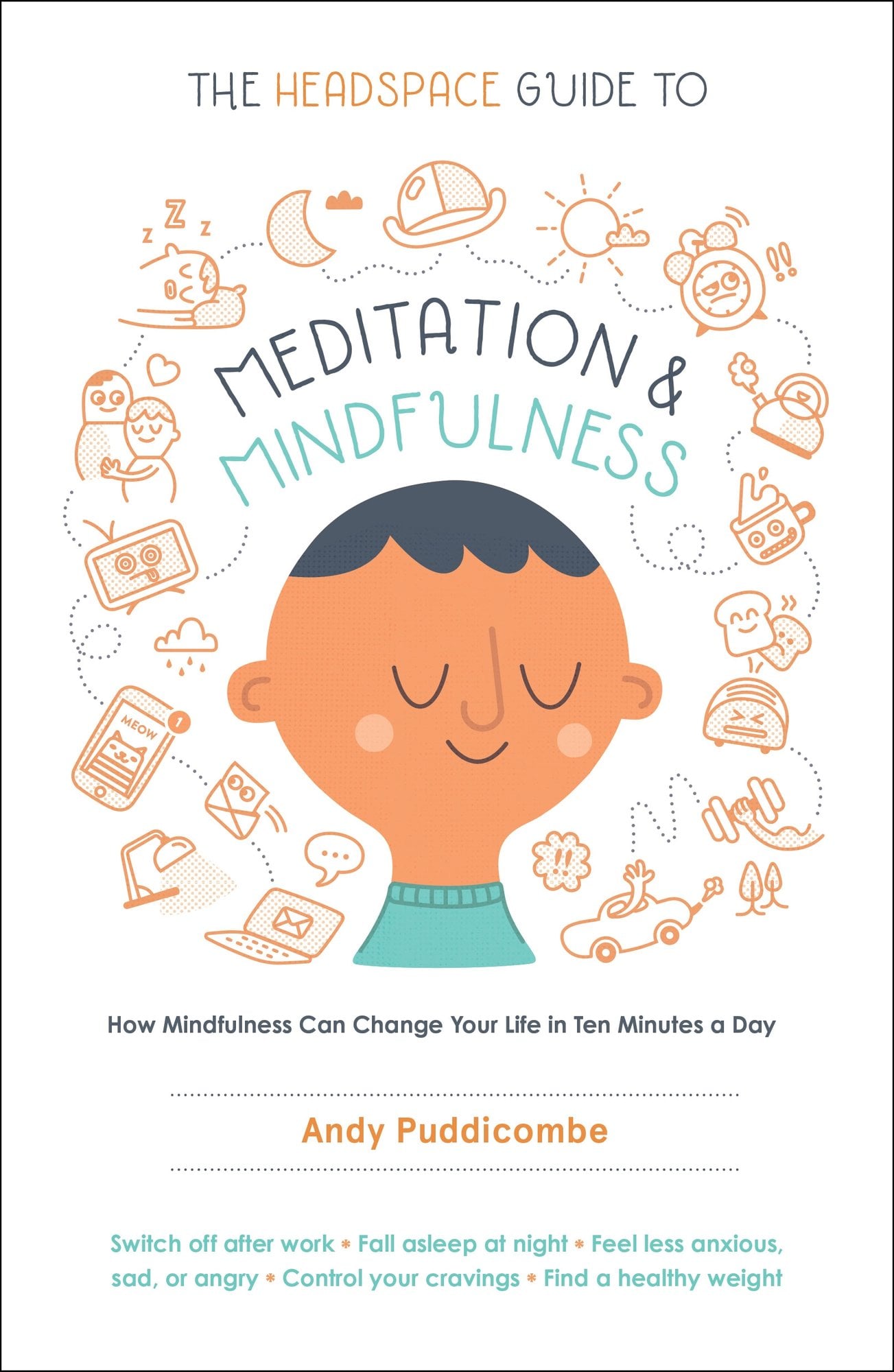
The Headspace Guide to Meditation & Mindfulness
By Andy Puddicombe
What if 10 minutes a day could make your life less stressful and more fulfilling?
*We may earn a commission at no extra cost to you.
4. Nutrient Deficiencies
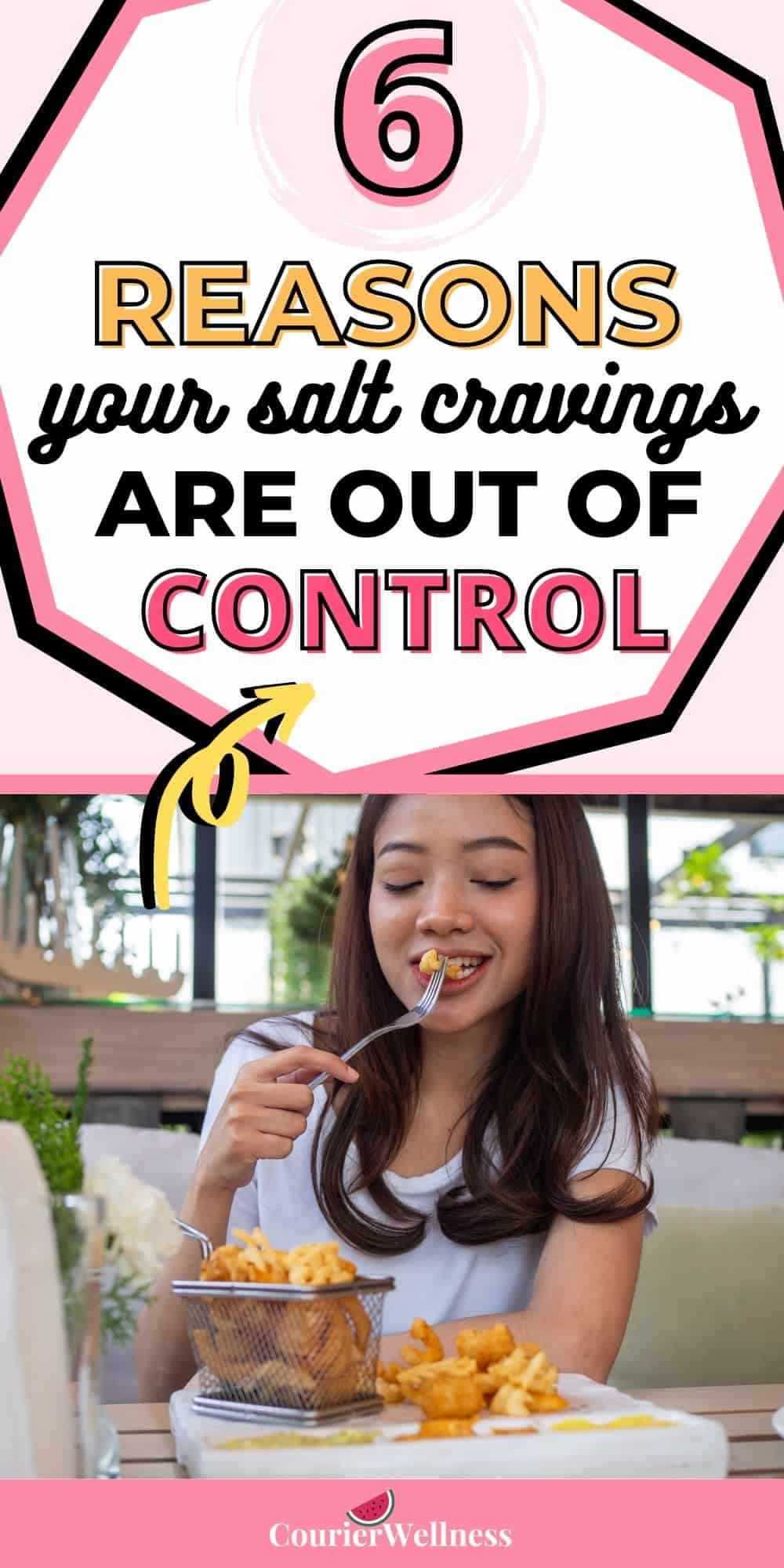
Sometimes, salt cravings can be a sign that your body is missing key nutrients.
The strongest link in research is with iron deficiency, which can lead to unusual cravings for non-food items or even salt — a rare condition known as sodium chloride pica.
Treating the deficiency often helps reduce these cravings.
How to fix it:
The best way to address nutrient deficiencies is by eating a well-rounded, nutrient-dense diet. For iron, foods like red meat, beans, lentils, spinach, and iron-fortified cereals are excellent options.
If diet alone isn’t enough, an iron supplement may be helpful. Gentle forms such as iron bisglycinate are often easier on the stomach compared to traditional iron tablets. A good option is Gentle Iron by Solgar, available on Amazon.
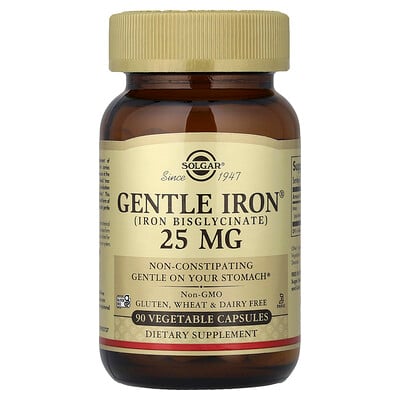
Solgar, Gentle Iron®, 25 mg, 90 Vegetable Capsules
Important note: Always check with your healthcare provider before starting iron supplements. Too much iron can be harmful, and blood tests are the only way to confirm a true deficiency.
RELATED POST: The Importance Of Healthy Food: 5 Amazing Benefits You Need To Know
5. Habitual Consumption of Salt
Sometimes, those salt cravings are less about your body needing something and more about what your habits have trained it to crave.
The more salt you consume, the more your taste buds (and your body) get used to it.
Many ultra-processed foods—like chips, canned goods, and fast food—are packed with salt, and eating them regularly can create a kind of “addiction,” where you need that salty hit to feel satisfied.
How to fix it:
The key here is breaking the cycle. Start by gradually cutting back on highly salted foods and replacing them with healthier, whole-food options that are naturally full of flavor.
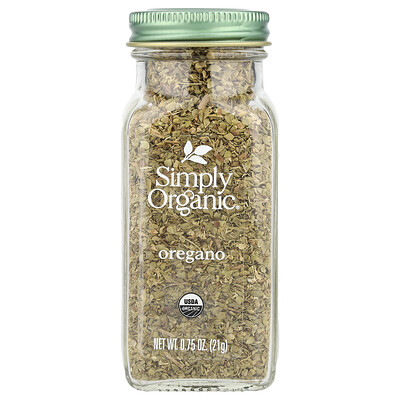
Think herbs and spices to give your meals that satisfying taste without the extra salt.
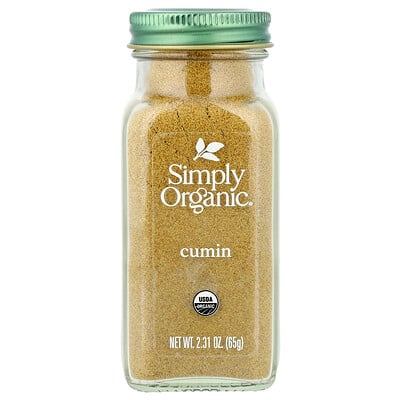
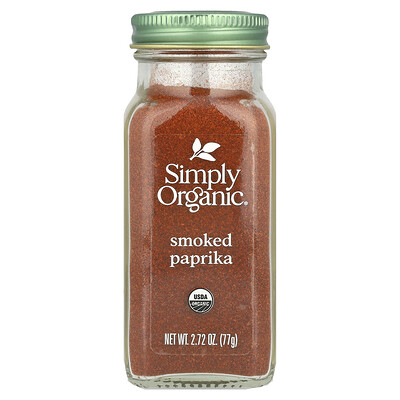
The brand Simply Organic has great quality herbs and spices such as Oregano, Ground Cumin, and Smoked Paprika. You can find them on on iHerb.com.
6. Hormonal Changes (Especially in Women)
For many women, hormonal fluctuations—especially around the menstrual cycle or during pregnancy—can lead to changes in appetite and cravings.
Research shows that estrogen plays a role in salt preference, influencing both long-term tendencies and short-term cravings.
During certain phases of the menstrual cycle, such as the luteal phase (right before your period), or during pregnancy, cravings for salty foods may become stronger.
These changes are a normal response to shifting hormones and how they affect your body’s fluid and mineral balance.
While occasional increases in salt cravings are usually harmless, consistently high salt intake can impact blood pressure and heart health, so it’s best to enjoy salty foods in moderation.
How to fix it:
During these times, managing cravings is all about making smarter choices. Instead of reaching for the chips, try healthier options like sliced cucumber with a sprinkle of sea salt, pickled veggies, or air-popped popcorn.
Also, balancing your blood sugar by eating protein-packed meals can help keep those cravings under control during hormonal shifts.
Related Article: How to Reduce Hormonal Belly Fat: Everything You Need to Know»
The Health Risks of Excessive Salt Intake
While salt is essential for our health, it’s easy to go overboard—especially with the ultra-processed foods we eat today.
Most modern diets are packed with far more salt than our bodies actually need, and that excess can lead to some serious health problems.
Here’s a look at the risks that come with too much salt:
Too much salt is a major contributor to hypertension (high blood pressure), which increases your risk of heart disease, stroke, and kidney damage.
Eating too much salt can put extra strain on your kidneys. Over time, this can lead to problems like high blood pressure and protein in your urine, which increase the risk of chronic kidney disease (CKD).
Too much salt can interfere with calcium in your body, which is important for strong bones.
Some studies suggest that high salt intake may be linked to lower bone density, especially in women, though the evidence isn’t completely clear.
Still, cutting back on salt is an easy step that can help support bone health alongside a diet rich in calcium and vitamin D.
Eating a lot of salt may raise your risk of stomach cancer. High salt intake can irritate the stomach lining and create an environment where harmful bacteria thrive.
A large review of studies found that people with higher salt consumption had a significantly greater risk of developing gastric cancer compared with those who ate less salt.
How to Manage and Reduce Salt Cravings
If you’re feeling like your salt cravings are getting the best of you, don’t worry—there are ways to take back control.
Here are some simple, practical strategies to help manage and reduce those cravings:
1. Stay Hydrated
Since dehydration is a major trigger for salt cravings, the first thing you should do is make sure you’re staying hydrated. Try to aim for at least 8 cups of water a day—more if you’re active or in hot weather.
Keeping your body well-hydrated can help reduce those intense salt cravings and keep everything in balance.
2. Eat Whole Foods
One of the best ways to curb salt cravings is by focusing on whole, unprocessed foods. These are naturally lower in sodium and full of the nutrients your body needs to stay balanced.
Load up on fruits, vegetables, whole grains, and lean proteins—they’re rich in magnesium, potassium, and calcium, which can help reduce your need for extra salt.
RELATED POST: The Complete Guide to Healthy Eating: Nourish Your Body for Life
3. Add Flavor with Herbs and Spices
Next time you’re tempted to grab the salt shaker, try swapping it out for some flavorful herbs and spices.
Garlic, onion, cayenne pepper, rosemary, basil, and turmeric are just a few examples that can give your meals a burst of flavor without the extra sodium.
It’s a simple way to enjoy tasty food without the salt overload.
4. Choose Better Salt Options
It’s totally fine to use salt when cooking at home—it enhances flavor and brings out the best in your dishes.
The problem lies in ultra-processed foods, which are packed with hidden salt and often lack important nutrients like iodine.
While sea salt and Himalayan pink salt are great for adding flavor, they typically don’t contain iodine unless they’re specifically labeled as iodized.
If iodine is a concern for you, consider using iodized salt in moderation, or make sure you’re getting iodine from other sources like seafood, dairy, or eggs.
A great option is the Frantoi Cutrera Sicilian Natural Coarse Sea Salt from Olive Oil Lovers. It has a clean, natural taste — no additives, no processing, just the essence of the sea.

Frantoi Cutrera Sicilian Natural Coarse Sea Salt
5. Practice Stress-Relief Techniques
If your salt cravings are tied to stress or adrenal fatigue, taking time to engage in stress-relief practices can really make a difference.
Meditation, yoga, deep breathing exercises, or even a relaxing walk outside can help reset your body and mind.
Personally, I’ve been practicing yoga and deep breathing for several years now, and it’s been a game changer for managing stress. These techniques can help you find balance and reduce those stress-induced cravings.
When it comes to practicing yoga, having the right posture makes all the difference. That’s why it’s worth investing in a high-quality mat like Liforme Printed Yoga Mat (available on Amazon).
It has amazing grip to prevent your hands from slipping, and it also comes with alignment guides so you know exactly where to put your hands and feet.
This will help you keep the right posture and practice yoga safely.
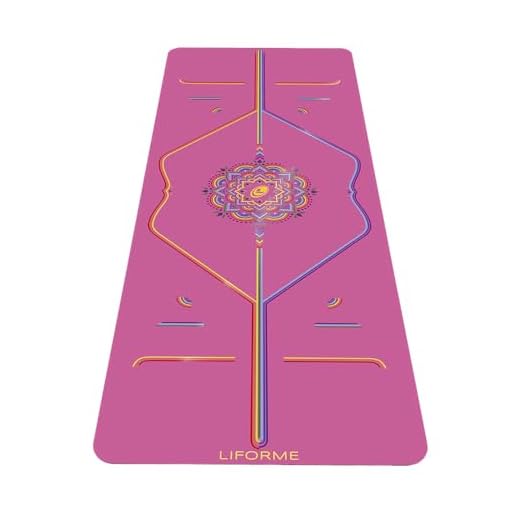
Liforme Printed Yoga Mat – Free Yoga Bag Included – Patented Alignment System, Warrior-like Grip, Non-slip, Eco-friendly, Sweat-Resistant, Long, Wide, 4.2mm…
RELATED POST: 15 Amazing Benefits of Yoga for Your Mind and Body
Final Thoughts
Salt cravings are pretty common, but they’re not something to brush aside.
They can be a sign that something’s off, like dehydration, nutrient deficiencies, stress, or even an over-reliance on processed foods.
By understanding what’s behind your cravings and taking the right steps, you can regain control over your diet and improve your overall health.
Focus on staying properly hydrated, eating a balanced diet full of whole foods, and cutting back on those highly processed, salty snacks.
Small changes can go a long way in reducing cravings and helping you maintain a healthier, more sustainable lifestyle for the long haul.
*This article is for informational purposes only and is not intended as medical advice. It should not be used to diagnose, treat, or prevent any health condition. Always consult a qualified healthcare professional before making any changes to your diet, exercise, or health routine.
Hurley, Seth W, and Alan Kim Johnson. “The biopsychology of salt hunger and sodium deficiency.” Pflugers Archiv : European journal of physiology vol. 467,3 (2015): 445-56. doi:10.1007/s00424-014-1676-y. Abstract only.
Kazi, Raisa Nazir Ahmed. “Silent Effects of High Salt: Risks Beyond Hypertension and Body's Adaptation to High Salt.” Biomedicines vol. 13,3 746. 18 Mar. 2025, doi:10.3390/biomedicines13030746. Adapted and used under the terms of the Creative Commons Attribution 4.0 International License.
Loeb, Robert F., et al. “On the Mechanism of Sodium Depletion in Addison’s Disease.” Proceedings of the Society for Experimental Biology and Medicine, vol. 31, no. 1, 1933, pp. 130–133, doi:10.3181/00379727-31-7027C.
Pereira, Emilson Donizete Jr et al. “Inhibition of salty taste and sodium appetite by estrogens in spontaneously hypertensive rats.” Frontiers in physiology vol. 14 1163568. 22 May. 2023, doi:10.3389/fphys.2023.1163568. Adapted and used under the terms of the Creative Commons Attribution 4.0 International License.
Rakova, Natalia et al. “Increased salt consumption induces body water conservation and decreases fluid intake.” The Journal of clinical investigation vol. 127,5 (2017): 1932-1943. doi:10.1172/JCI88530. Abstract only.
Rogers, B., J. Kramer, S. Smith, et al. “Sodium Chloride Pica Causing Recurrent Nephrolithiasis in a Patient with Iron Deficiency Anemia: A Case Report.” Journal of Medical Case Reports, vol. 11, no. 325, 2017, https://doi.org/10.1186/s13256-017-1499-5. Adapted and used under the terms of the Creative Commons Attribution 4.0 International License.
Shen, Yongyao et al. “The burden of chronic kidney disease attributable to high sodium intake: a longitudinal study in 1990-2019 in China.” Frontiers in nutrition vol. 11 1531358. 15 Jan. 2025, doi:10.3389/fnut.2024.1531358. Adapted and used under the terms of the Creative Commons Attribution 4.0 International License.
Takase, H., Y. Takeuchi, T. Fujita, and T. Ohishi. “Excessive Salt Intake Reduces Bone Density in the General Female Population.” European Journal of Clinical Investigation, vol. 53, 2023, e14034, doi:10.1111/eci.14034. Abstract only.
Wu, Xiaomin et al. “Effect of Dietary Salt Intake on Risk of Gastric Cancer: A Systematic Review and Meta-Analysis of Case-Control Studies.” Nutrients vol. 14,20 4260. 12 Oct. 2022, doi:10.3390/nu14204260. Adapted and used under the terms of the Creative Commons Attribution 4.0 International License.
Zhang, Jianfen et al. “Young Adults with Higher Salt Intake Have Inferior Hydration Status: A Cross-Sectional Study.” Nutrients vol. 14,2 287. 11 Jan. 2022, doi:10.3390/nu14020287. Adapted and used under the terms of the Creative Commons Attribution 4.0 International License.

Malin, the co-founder of Courier Wellness, is well-informed in nutrition and health and brings her own unique perspective to the world of holistic wellness. With a passion for writing and a deep interest in wellbeing, she wants to create content that fosters balance and nourishment for the mind and body.