6 Tips on How to be Naturally Thin – Without the Struggle

This post contains affiliate links, which means we may earn a commission if you purchase through our links—at no extra cost to you. As an Amazon Associate we earn from qualifying purchases. We only recommend products we use or trust. Learn more about affiliate marketing or read our full disclosure.
Let’s be honest—most of us have been led to believe that being naturally thin is either something you’re born with… or something you have to fight tooth and nail for.
Think restrictive diets, endless workouts, and constantly battling cravings. Sound familiar?
But here’s the truth: being naturally thin doesn’t have to feel like a full-time job. What if I told you that it is possible to reach and maintain your ideal weight without obsessing over every bite or living at the gym?
That it’s actually about enjoying your food, taking care of your body, and building simple, sustainable habits that feel good—physically and emotionally?
In this article, I’m going to walk you through exactly how to be naturally thin in a way that’s doable, balanced, and honestly… pretty freeing. No gimmicks. No punishments. Just a down-to-earth approach that’s worked for me—and can work for you too.
The best part?
It’s not about giving things up. It’s about tuning in, making smart choices, and finally ditching the “all or nothing” mindset.
Ready to shift the way you think about food and your body?
Let’s begin!
What Does It Really Mean to Be Naturally Thin?
There are a lot of myths out there about what it means to be naturally thin. People often assume it’s all about genetics, barely eating, spending hours at the gym, or having superhuman willpower.
But truth is most of those beliefs are myths. And worse—they set up totally unrealistic expectations that leave most people feeling like they’re doing something wrong.
Here’s the thing: being naturally thin doesn’t always mean someone is living a healthy life. Some people might skip meals, undereat, or have habits that aren’t great for their body—but because they look thin, people assume they’re doing everything “right.”
But thinness doesn’t equal health. Just like you can’t judge a book by its cover, you can’t judge someone’s well-being by their waistline.
In this article, we’re not chasing skinny for the sake of skinny. We’re talking about how to be naturally thin in a healthy way that actually supports your body—physically, mentally, and emotionally.
It’s not about starvation, obsession, or cutting out everything you love. It’s about creating a way of eating and living that fuels your energy, supports your digestion, balances your hormones, and keeps your mind clear and focused.
Real health isn’t about eating less. It’s about eating better. It’s about feeling strong, vibrant, and in tune with your body—not just squeezing into a smaller size.
So, if you’re ready to feel good in your body and your life, let’s get into it:
1. Nourish Your Body With a Balanced Diet
Let’s be real—when most people want to lose weight, the first instinct is to zero in on the number on the scale. But here’s the problem: when weight loss becomes the only goal, it usually leads to quick fixes, yo-yo dieting, and frustration.
So what if you shifted the focus?
What’s worked for me—and what I encourage you to try—is this: prioritize your health, and the weight will take care of itself.
When you make health your main goal, your body starts to respond in the best ways. You’ll feel more energized, more balanced, and yes—leaner, too. Not because you’re depriving yourself, but because you’re finally giving your body what it actually needs.
This isn’t just about what you eat—it’s about how you treat yourself, inside and out. Your mental, emotional, and physical well-being are all connected.
And when you focus on nourishing your body, rather than punishing it, something shifts. So instead of chasing a specific body size or constantly counting calories, try asking: “What would truly support my health today?”
That one question can change everything.
When you eat whole, nutrient-rich foods and move your body regularly—not because you have to, but because it feels good—you create a lifestyle that naturally supports a thinner, healthier you.
And the best part?
It’s sustainable. No more all-or-nothing diets. Just gradual, intentional changes that add up over time.
That’s how I’ve managed to stay naturally thin—not through restriction, but through consistency, balance, and care. And if I can do it, you can too.
2. Eat Regularly
Here’s something that might surprise you: being naturally thin has less to do with eating less, and more to do with eating consistently—and eating better.
One of the biggest game-changers for me was establishing a regular eating routine. Instead of skipping meals or going long stretches without food (only to crash later), I make it a priority to fuel my body throughout the day with balanced meals and snacks.
Why does this matter?
Because when you eat regularly, you keep your blood sugar stable, your energy steady, and your mood more balanced. No more energy crashes.
No more feeling “hangry.” Just a steady rhythm that helps you feel in control and in tune with your body.
Eating on a consistent schedule also tells your metabolism, “Hey, we’re good! Food is coming.” So instead of slowing down or storing fat in survival mode, your body stays active and efficient—because it knows it can rely on you.
And here’s the bonus: eating regularly can actually help you avoid overeating. When you’re not starving by the time you sit down to eat, you’re far more likely to make smart, satisfying choices that nourish your body rather than just silence the hunger.
For me, this isn’t about rigid rules—it’s just become part of how I live. It keeps my metabolism humming, helps me feel great, and honestly?
It makes staying naturally thin feel effortless. And trust me, once you get into the rhythm, you’ll see it isn’t as hard as you thought.
3. Eat Fiber for Digestion and Weight Loss
Let’s talk about one of the most underrated tools for staying naturally thin: fiber.
Fiber does so much more than just “keep things moving.” It plays a big role in keeping you full, supporting digestion, and helping your body manage energy efficiently—all of which contribute to a naturally healthy weight.
When you eat fiber-rich foods, you stay full longer. That means you’re less likely to find yourself mindlessly reaching for snacks or craving something sugary an hour after lunch.
Since fiber takes longer to chew and digest, it naturally slows you down and encourages more mindful eating—without you even realizing it.
It also helps regulate your blood sugar by slowing the absorption of nutrients. This keeps your energy levels more stable, which is huge when it comes to avoiding those mid-afternoon crashes that have you reaching for a quick sugar fix.
Fewer spikes and crashes = fewer unnecessary calories = a body that feels balanced.
And let’s not forget the digestion benefits. Fiber helps keep things moving smoothly through your system—supporting regular bowel movements, reducing bloating, and helping your body efficiently eliminate waste.
All of that adds up to feeling lighter, more energized, and yes—leaner.
So how can you start adding more fiber into your day?
If you’re anything like me, mornings can feel rushed—and that’s usually when it’s easiest to skip breakfast or grab something that doesn’t really keep you full. That’s exactly why I love keeping this kind of simple, nourishing breakfast on hand.
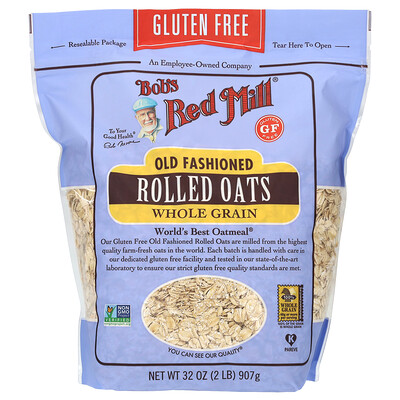
A good-quality oat base makes all the difference. I personally love using Bob’s Red Mill Old Fashioned Rolled Oats or their Steel Cut Oats because they’re hearty, filling, and actually keep you satisfied for hours—no mid-morning energy crash or constant snacking.
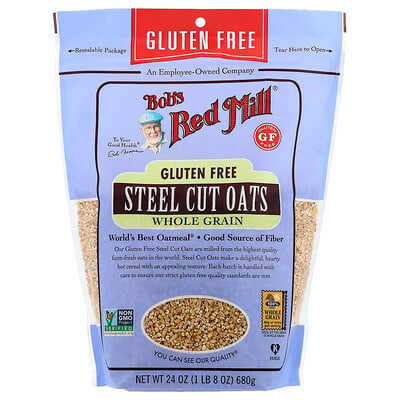
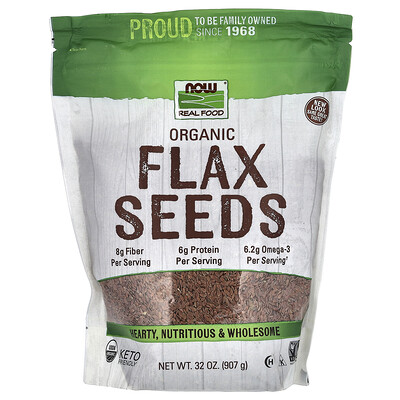
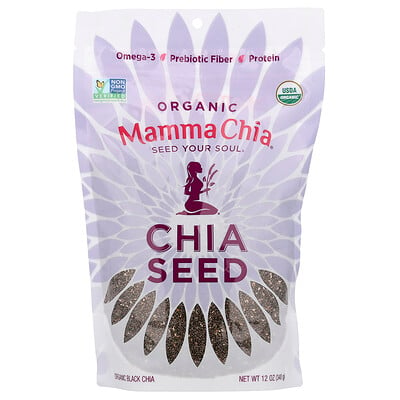
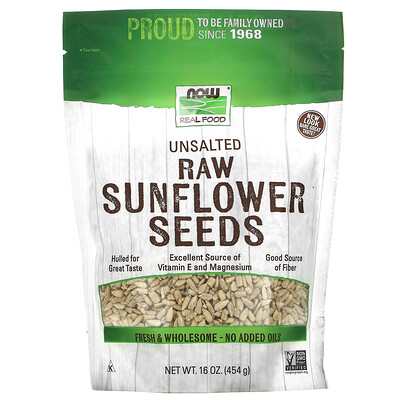
To make it even more nourishing, I add a tablespoon of flaxseeds, chia seeds, or sunflower seeds. Options like NOW Foods Organic Flax Seeds, Mamma Chia Organic Chia Seeds, or NOW Foods Organic Raw Sunflower Seeds are great staples to keep in your kitchen. They’re an easy way to boost your fiber intake without overthinking it—and they really help with digestion and keeping you full longer.
And don’t skip the cinnamon! A great option is Simply Organic Ceylon Cinnamon, which is often called the “true” cinnamon. It has a milder, slightly sweeter taste, and it’s generally considered a better option for regular use compared to common cassia cinnamon. It’s a small upgrade, but one that adds both flavor and extra health benefits.
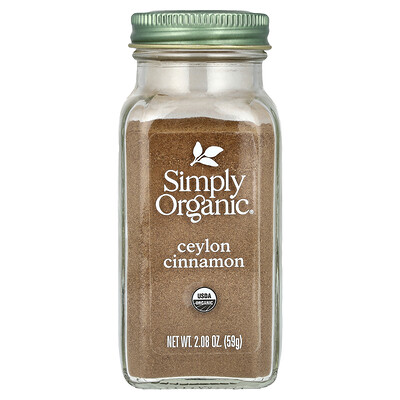
Simply Organic, Ceylon Cinnamon, 2.08 oz (59 g)
The best part?
Once you have these basics at home, putting together a healthy breakfast becomes effortless. No more standing in the kitchen wondering what to eat—or reaching for something quick that leaves you hungry an hour later.
It’s one of those simple habits that makes eating well feel easy… and sustainable.
RELATED POST: Are Smoothies Good for Weight Loss?
4. Reduce Your Intake of Hidden Sugar
Let’s face it—sugar is sneaky.
It shows up in places you’d never expect, even in foods marketed as “healthy.” And while a little sugar here and there may seem harmless, it adds up—and before you know it, you’re consuming way more sugar than is recommended.
That can quietly sabotage your health and make it harder to maintain a naturally thin body.
The tricky part?
Sugar often hides under different names—like sucrose, high fructose corn syrup, malt syrup, and about a dozen other aliases. And those “low-fat” or “diet” products?
Yep, they often contain more sugar to make up for the lack of flavor when fat is removed. That’s why learning to read food labels is a total game-changer.
Becoming naturally thin isn’t about eating less—it’s about being a smarter, more intentional eater. And reducing sugar intake is a huge part of that.
You’d be surprised how much sugar hides in everyday items like cereals, flavored yogurts, salad dressings, and so-called “healthy” granola bars. But once you’re aware, you can start making simple swaps that make a big difference.
Here’s what I do: I stick to mostly whole, minimally processed foods. I satisfy sweet cravings with fruit—because it gives me natural sugar plus fiber, vitamins, and antioxidants.
And when I want something indulgent, like a piece of chocolate, I enjoy it—guilt-free—because I’ve built a balanced foundation.
And trust me, when you cut back on the hidden stuff, you’ll notice a difference. Your energy will feel more stable, your cravings will shrink, and your body will respond in all the right ways.
It’s not about giving up sweets forever. It’s about being mindful so that the treats you do enjoy don’t throw you off course.
5. Finding the Right Balance With Fats When Cooking
One of the best things you can do for your health—and your waistline—is to cook more meals at home. It gives you full control over what goes into your food, and it’s a great way to stay naturally thin.
But here’s something that often gets overlooked: how much fat you’re actually using when you cook.
Now don’t get me wrong—fat is not the enemy.
In fact, healthy fats (like those from olive oil, avocados, nuts, and seeds) are essential for your brain, hormones, and overall well-being. And yes, they make food taste amazing.
But even healthy fats can work against you if you’re overdoing it.
That’s why balance is key.
A common mistake I see is people using way more oil or butter than they realize—especially when free-pouring straight from the bottle. It’s easy to go overboard, and those extra calories add up fast, even in a “healthy” home-cooked meal.
Personally, I always measure my fats when I cook.
If a recipe calls for a tablespoon of olive oil, I actually use a tablespoon—not a generous splash. It may sound like a small detail, but trust me, it makes a big difference over time.
Remember, the goal isn’t to restrict—it’s to be intentional. When you become mindful of the fats you’re using, it’s easier to strike that sweet spot between flavor and health.
It’s one of those small habits that really helps me stay naturally thin without feeling like I’m missing out.
6. Say No to Extreme Measures
Here’s the truth: most extreme diets don’t work—at least not in the long run. They may promise fast results, but they often come at the cost of your health, energy, and peace of mind.
Being naturally thin has nothing to do with cutting out entire food groups, obsessively tracking every calorie, or pushing your body through punishing workouts.
In fact, those drastic approaches can do more harm than good—both physically and mentally.
And let’s not forget one of the biggest problems with extreme diets: they’re just not sustainable. Sure, you might lose weight quickly, but more often than not, that weight comes right back—and sometimes even more.
If you can’t imagine sticking to a certain way of eating for the rest of your life, it’s probably not the right plan for you.
Instead of chasing quick fixes, I’ve learned to embrace a healthier, more gradual, and realistic way to manage my weight. And let me tell you—it’s way more sustainable.
When you stop focusing on what to eliminate and start focusing on what to add—nutrient-rich foods, movement you enjoy, and habits that make you feel good—you create a positive cycle that supports your body naturally.
It’s about building a lifestyle that fuels you, not one that drains you. And yes, that includes indulgences!
I aim to eat well about 80% of the time, and I leave space for the occasional treat. It’s a simple, doable rule that keeps me on track without ever feeling restricted.
No guilt. No all-or-nothing thinking. Just balance.
Because let’s be honest—life is meant to be enjoyed, not micromanaged.
Final Thoughts
Becoming naturally thin doesn’t require extreme measures, fad diets, or a life of restriction. It’s about adopting small, sustainable habits that prioritize your health, not just your weight.
When you focus on nourishing your body, eating regularly, balancing your intake of fats and sugar, and rejecting unrealistic approaches, your body responds in kind.
And the best part?
It starts to feel natural—not like a constant battle.
My sister and I promote this sustainable approach to health and weight loss because we’ve witnessed its long-term results in our own lives. We’re both naturally thin and have been for over a decade now by following the same tips shared in this article.
There’s no magic behind it—just consistency, mindfulness, and a commitment to treating our bodies with care.
If there’s one takeaway I hope you remember, it’s this: you don’t have to struggle to be healthy or thin. With a balanced mindset and gentle lifestyle shifts, you can enjoy your food, honor your body, and build habits that truly last a lifetime.
So focus on health and let weight loss happen naturally as a result of that.
*This article is for informational purposes only and is not intended as medical advice. It should not be used to diagnose, treat, or prevent any health condition. Always consult a qualified healthcare professional before making any changes to your diet, exercise, or health routine.
"How to Understand and Use the Nutrition Facts Label." U.S. Department of Agriculture, updated 27 September 2023, https://www.fda.gov/food/nutrition-facts-label/how-understand-and-use-nutrition-facts-label. Accessed 25 November 2023.
“Nutrition and Healthy Eating.” Office of Disease Prevention and Health Promotion, https://health.gov/healthypeople/objectives-and-data/browse-objectives/nutrition-and-healthy-eating. Accessed 25 November 2023.
Petre, Alina, MS, RD (NL). “5 Ways Restricting Calories Can Be Harmful.” Healthline, updated 30 January 2017, https://www.healthline.com/nutrition/calorie-restriction-risks#TOC_TITLE_HDR_3. Accessed 25 November 2023.
"Rough Up Your Diet – Fit More Fiber Into Your Day." News in Health, Editor Harrison Wein, Ph.D., August 2010, National Institutes of Health, https://newsinhealth.nih.gov/2010/08/rough-up-your-diet. Accessed 19 November 2023.
Zelman, Kathleen M., RD, LD, MPH. "Eat to Boost Your Energy - Rev your engine with these energizing foods." WebMD, 25 November 2023, https://www.webmd.com/obesity/features/eat-to-boost-your-energy. Accessed 25 November 2023.

Linda is the co-founder of Courier Wellness and holds a Diploma in Natural Health Nutrition & Diet. Her passions include photography, food, and travel, where she derives inspiration from diverse cultures and their holistic approaches to well-being. She is committed to helping others make informed, nourishing choices for a healthier life.