Yoga for Flexibility: 10 Simple Poses to Unlock Your Full Potential
This post contains affiliate links, which means we may earn a commission if you purchase through our links—at no extra cost to you. As an Amazon Associate we earn from qualifying purchases. We only recommend products we use or trust. Learn more about affiliate marketing or read our full disclosure.
Flexibility is often seen as one of the defining benefits of yoga—but it’s about so much more than touching your toes or twisting yourself into impressive shapes.
When you improve your flexibility, you give your body a greater range of motion, lower your risk of injury, release built-up muscle tension, and even support better posture in everyday life.
And one of the most effective, accessible ways to do all of that?
Yoga for flexibility.
Whether you’re brand new to yoga or looking to deepen your current practice, this guide is here to support you.
I’ll walk you through 10 simple yoga poses designed to improve flexibility, with clear step-by-step instructions, alignment tips, and the unique benefits of each pose.
Important Note: Before starting any new yoga practice, especially if you have a medical condition, injury, or have been inactive, consult a qualified healthcare professional. Always listen to your body and move at a safe, comfortable pace. Yoga should challenge you gently — not cause pain.
Let’s get started!
Why Yoga Helps Improve Flexibility
Flexibility isn’t just about having loose muscles—it’s about creating balance, ease, and mobility throughout your entire body.
That’s where yoga for flexibility really shines.
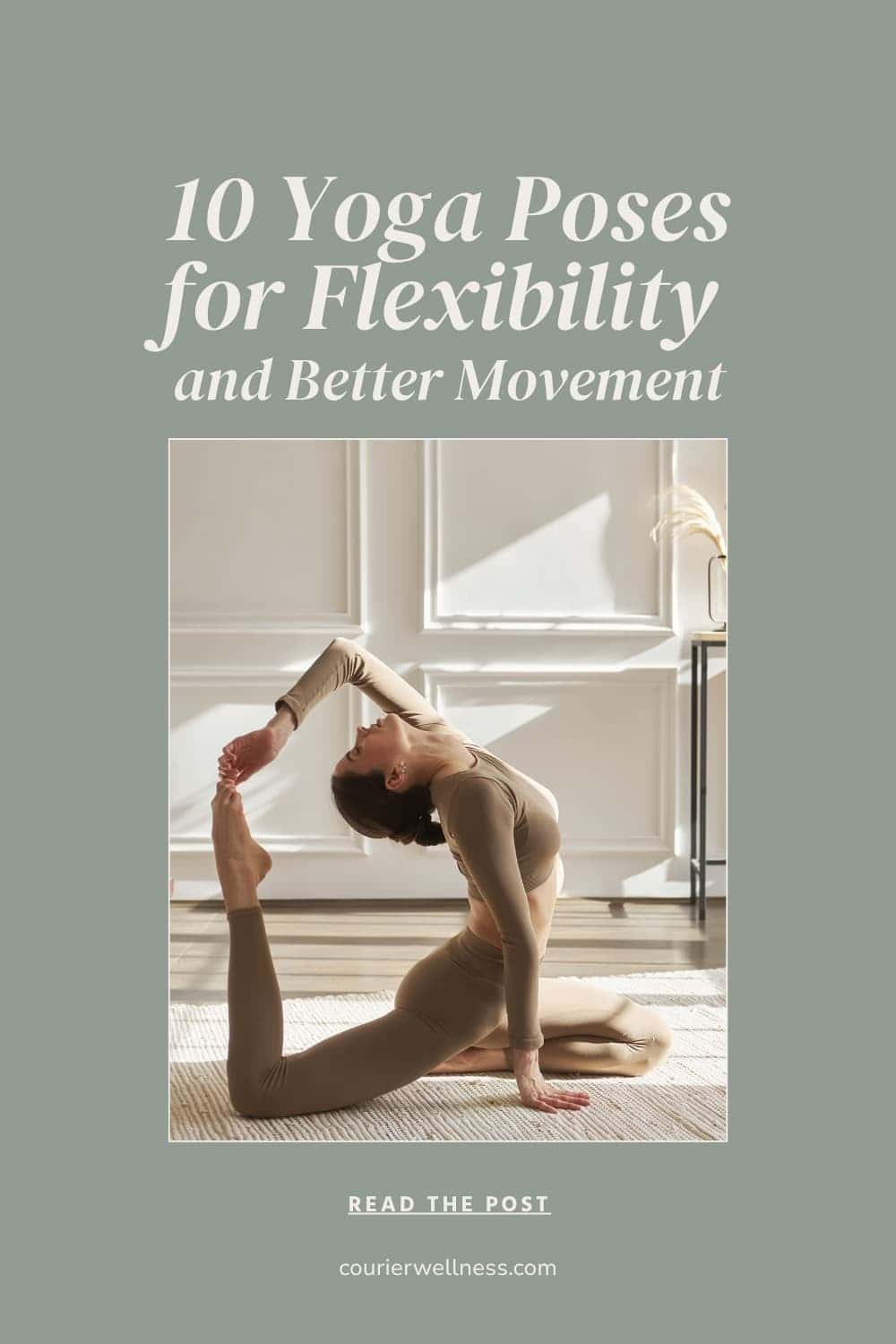
Instead of stretching in isolation, yoga works holistically, helping your body open up in a safe and sustainable way.
I’ve practiced yoga for over six years, and I can honestly say that the benefits go far beyond just touching my toes.
Not only am I more flexible, but my balance and posture have improved significantly, and my body feels more connected and resilient overall.
Having a good yoga mat can make a big difference, especially when working on flexibility.
A good one is Liforme Printed Yoga Mat + Yoga Bag, (available on Amazon)—it offers excellent grip, supportive cushioning, and handy alignment guides to keep your poses safe and comfortable.
Investing in a quality mat like this makes it easier to focus on your body and breath without distractions.
Here’s how yoga works to improve your flexibility:
1. Muscles and Joints
Yoga gently lengthens your muscles while guiding your joints through their full range of motion.
This helps prevent stiffness, improve elasticity, and keep your body feeling fluid rather than tight or restricted.
Research on traditional Hatha yoga programs even shows significant improvements in lower back and hamstring flexibility after just 12 weeks of consistent practice.
In other words, when you stick with it, your body truly adapts. Over time, that means smoother movement, healthier joints, and less everyday tension.
2. Mind–Body Connection
When you focus on your breath and stay present in each pose, your nervous system begins to relax.
This calm awareness allows you to sink deeper into stretches without forcing anything—often leading to a more effective and comfortable release.
Research shows that regular yoga practice supports emotional regulation, activates the parasympathetic (rest-and-digest) nervous system, and improves overall mental well-being.
That relaxed state isn’t just good for your mood—it also helps your muscles soften and respond more naturally to stretching.
3. Strength and Stability
Flexibility alone isn’t enough. Yoga also strengthens the muscles that support your joints, ensuring that the mobility you gain is stable, controlled, and long-lasting.
This balance between strength and flexibility helps protect your body as it opens up.
In fact, a randomized controlled trial found that after 16 weeks of consistent yoga practice, female college students experienced measurable improvements in both balance and flexibility compared to a control group.
The key is consistency. When you practice these poses regularly—even just 10 to 15 minutes a day—you’ll start to notice gradual, meaningful changes in how your body moves and feels.
Yoga Poses for Flexibility
Now let’s take a closer look at different yoga poses:
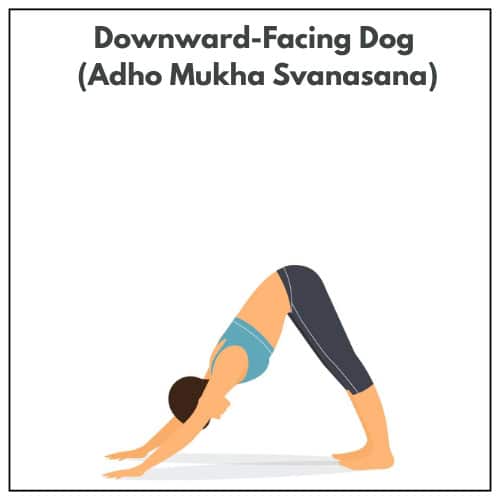
1. Downward-Facing Dog (Adho Mukha Svanasana)
Why it improves flexibility: Downward-Facing Dog is one of those classic yoga poses that does a little bit of everything.
It gently stretches your hamstrings, calves, shoulders, and spine, making it a powerful full-body pose for improving flexibility and releasing tension.
How to Do It:
- Start on your hands and knees in a tabletop position, with your wrists under your shoulders and knees under your hips.
- Spread your fingers wide, with your index finger pointing straight forward, and press firmly into the mat to create a strong, stable foundation.
- Tuck your toes under and lift your hips up and back toward the ceiling.
- Lengthen your spine and straighten your legs as much as feels comfortable—there’s no need to lock your knees.
- Let your head and neck relax between your arms, and take slow, deep breaths.
Hold the pose for 30–60 seconds, then gently lower back down to tabletop.
Tip: If your hamstrings feel tight, keep a soft bend in your knees—it’s completely okay. Focus on creating length through your spine rather than forcing your heels to touch the mat.
Benefits
- Stretches the back, shoulders, hamstrings, and calves
- Improves overall body mobility and flexibility
- Builds strength in the arms and legs
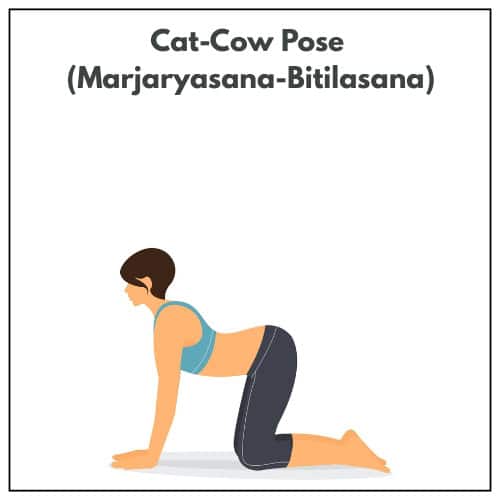
2. Cat-Cow Pose (Marjaryasana-Bitilasana)
Why it improves flexibility: Cat–Cow is a gentle, flowing movement that helps mobilize your spine.
By moving between flexion and extension, this pose releases stiffness and increases flexibility in your back and neck, making it especially helpful if you spend a lot of time sitting.
How to Do It:
- Begin on your hands and knees with your shoulders stacked over your wrists and your hips over your knees.
- Cow Pose: Inhale as you drop your belly toward the mat, lift your chest, and gently raise your head and tailbone, creating a soft arch in your spine.
- Cat Pose: Exhale as you round your spine toward the ceiling, tuck your chin toward your chest, and draw your tailbone under.
- Continue flowing slowly between Cat and Cow, moving with your breath for 8–10 rounds.
Tips: Move slowly and let your breath guide each transition. Focus on creating length through your spine rather than forcing the movement.
Benefits:
- Improves spinal flexibility and mobility
- Releases tension in the back and neck
- Gently warms up the body and prepares you for deeper stretches
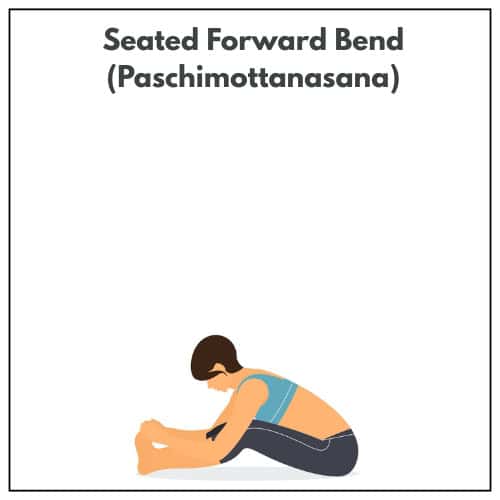
3. Seated Forward Bend (Paschimottanasana)
Why it improves flexibility: Seated Forward Bend is a classic pose for lengthening the back side of your body.
It targets your hamstrings, calves, and spine, helping to gradually increase flexibility along the entire posterior chain while encouraging a sense of calm and introspection.
How to Do It:
- Sit on the floor with your legs extended straight out in front of you.
- Inhale to lift through the crown of your head and lengthen your spine.
- Exhale as you hinge forward from your hips, reaching your hands toward your legs.
- Rest your hands on your shins, ankles, or feet—wherever feels comfortable for you.
- Breathe slowly and deeply, allowing your body to soften into the stretch for 30–60 seconds.
Tips: If reaching your feet feels challenging, loop a yoga strap or towel around the soles of your feet for extra support. Focus on keeping your spine long rather than rounding your back to force the stretch.
Benefits:
- Stretches the hamstrings, calves, and spine
- Helps calm the mind and support better posture
- Improves flexibility for other forward-bending poses
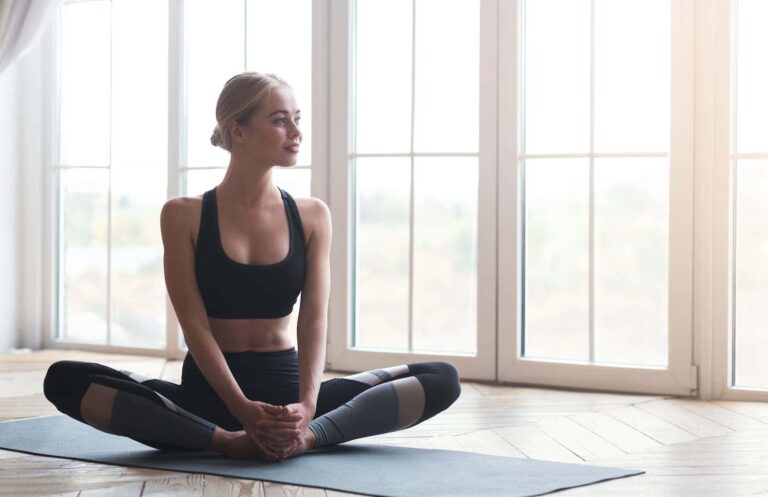
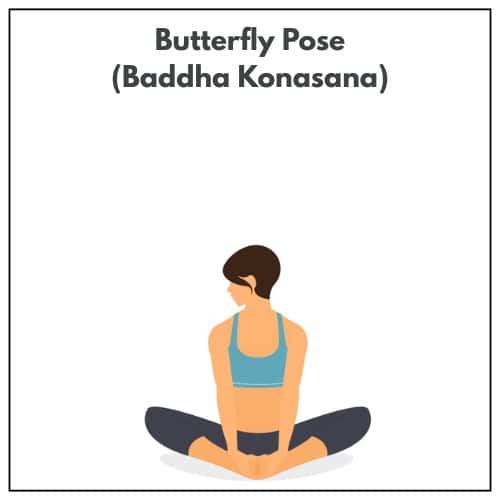
4. Butterfly Pose (Baddha Konasana)
Why it improves flexibility: Butterfly Pose is a wonderful hip opener that gently stretches the hips, groin, and inner thighs.
If you carry tension in your lower body—or spend a lot of time sitting—this pose can feel especially relieving and help restore natural flexibility in the pelvis.
How to Do It:
- Sit tall with your spine straight and bring the soles of your feet together in front of you.
- Hold your feet or ankles with your hands and let your knees fall open toward the floor.
- Inhale to lengthen your spine, and as you exhale, fold forward slightly if it feels comfortable for your body.
- Stay in the pose for 30–60 seconds, breathing deeply and evenly.
Tips: If your hips feel tight, place cushions or blocks under your knees for support. Use gentle pressure and patience—avoid forcing your knees down.
Benefits:
- Opens the hips and groin
- Improves hip mobility for both sitting and standing poses
- Helps release tension in the lower back
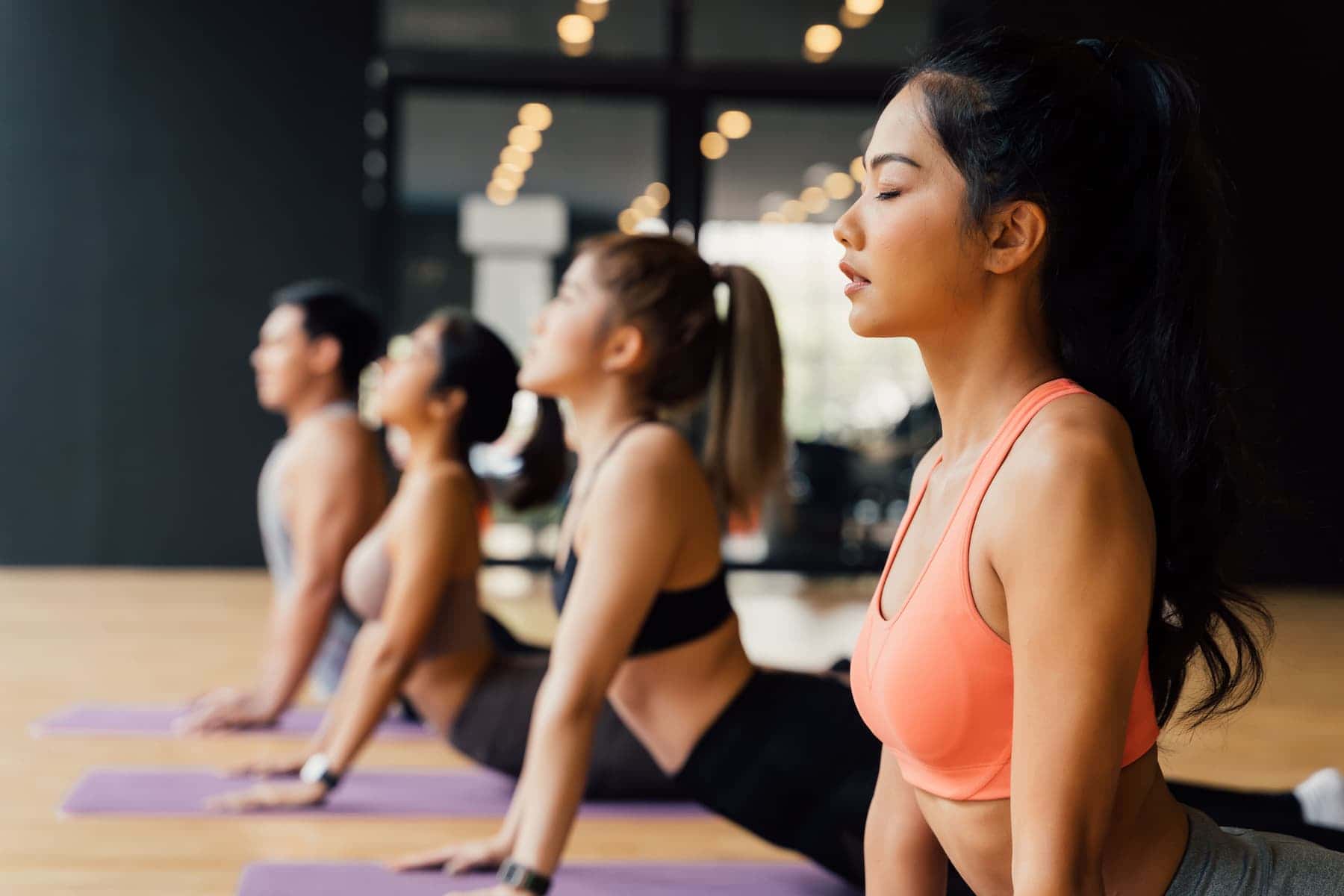
5. Cobra Pose (Bhujangasana)
Why it improves flexibility: Cobra Pose is a gentle backbend that opens the chest, shoulders, and front of the body while increasing flexibility in the spine.
At the same time, it strengthens the muscles that support your back, helping you build flexibility that feels balanced and safe.
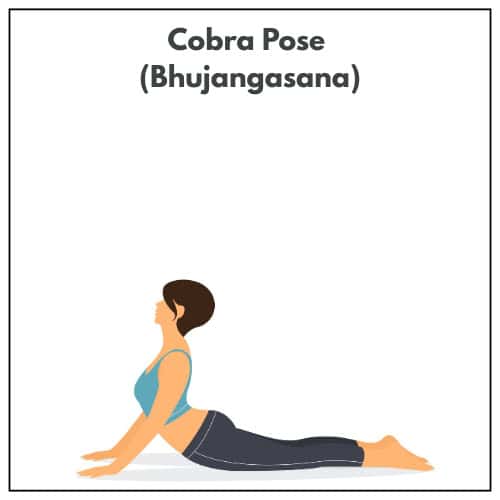
How to Do It:
- Lie face down on your mat with your legs extended behind you and the tops of your feet resting on the floor.
- Place your hands under your shoulders, elbows hugging in close to your body.
- Inhale as you press lightly into your hands and lift your chest off the mat, keeping a soft bend in your elbows.
- Draw your shoulders away from your ears and open through your chest.
- Hold for 15–30 seconds, breathing steadily, then exhale and slowly lower back down.
Tips: Keep your elbows close to your ribs to protect your shoulders. Focus on lengthening your spine and avoid overextending your lower back.
Benefits:
- Stretches the chest, spine, and shoulders
- Supports better posture
- Strengthens the back for healthy, balanced flexibility
6. Pigeon Pose (Eka Pada Rajakapotasana)
Why it improves flexibility: Pigeon Pose is a deep hip opener that targets the glutes and hip muscles, helping to release tension and increase flexibility in the lower body.
It’s especially beneficial for anyone who spends long hours sitting or wants to improve hip mobility for yoga and everyday movement.
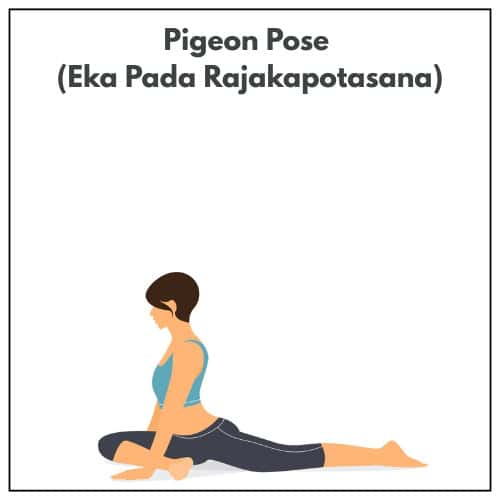
How to Do It:
- Begin in Downward-Facing Dog.
- Lift your right leg and bring your right knee forward and place it just behind your right wrist, with your shin angled comfortably.
- Extend your left leg straight back, keeping your hips square and grounded.
- Inhale to lengthen through your spine, and exhale as you fold gently over your right leg.
- Breathe deeply, holding the pose for 30–60 seconds, then switch sides.
Tips: Place a blanket, cushion, or folded mat under your front hip if it doesn’t comfortably reach the floor. Move slowly and mindfully to protect your knees and hips.
Benefits:
- Opens the hips and glutes
- Releases tension in the lower back
- Improves hip mobility for sitting, walking, and athletic activities
7. Standing Forward Bend (Uttanasana)
Why it improves flexibility: Standing Forward Bend is a simple yet powerful pose that stretches your hamstrings, calves, and spine while helping to calm the nervous system.
It’s perfect for releasing tension in both your body and mind after a long day.
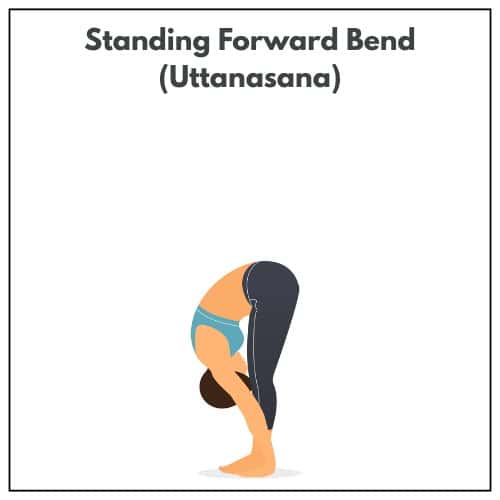
How to Do It:
- Stand with your feet hip-width apart, grounding evenly through all parts of your feet.
- Inhale to lengthen your spine, lifting through the crown of your head.
- Exhale as you hinge forward from your hips, letting your torso fold over your legs.
- Allow your head and arms to hang toward the floor, keeping your neck relaxed.
- Hold the pose for 30–60 seconds, bending your knees slightly if your hamstrings feel tight.
Tips: Distribute your weight evenly across your feet to avoid straining your lower back. Let your neck and shoulders completely relax for a deeper sense of release.
Benefits:
- Stretches hamstrings, calves, and spine
- Reduces stress and fatigue
- Prepares the body for deeper backbends
8. Crescent Lunge on the Knee (Anjaneyasana)
Why it improves flexibility: Crescent Lunge on the Knee opens the hips, quads, and groin while also building stability in the lower body.
Bending the arms overhead slightly makes the pose more accessible, helping you focus on balance and alignment without straining the shoulders.
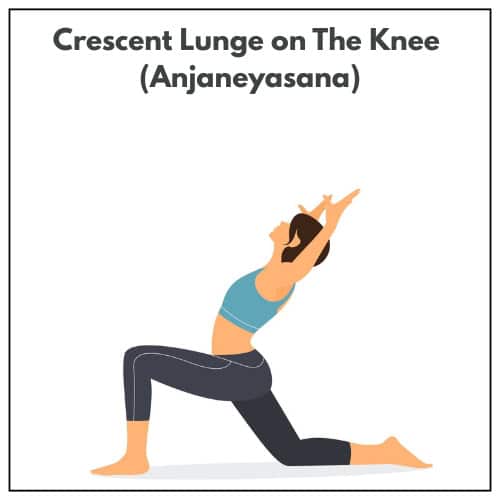
How to Do It:
- Begin in Downward-Facing Dog and step your right foot forward between your hands.
- Lower your left knee to the mat and untuck the toes.
- Lift your torso and bring your arms overhead with a gentle bend in the elbows.
- Hold for 20–40 seconds, then switch sides.
Tips: Keep your hips squared to the front to maintain a safe stretch. Engage your core and keep the arms active, but don’t lock the elbows.
Benefits:
- Opens the hip flexors and quads
- Improves balance and posture
- Prepares the hips for deeper backbends
9. Side Stretch Pose (Parsva Sukhasana)
Why it improves flexibility: Side Stretch is a gentle seated pose that lengthens the spine, ribs, and obliques while opening the shoulders.
It’s perfect for improving lateral flexibility and creating space in the upper body.
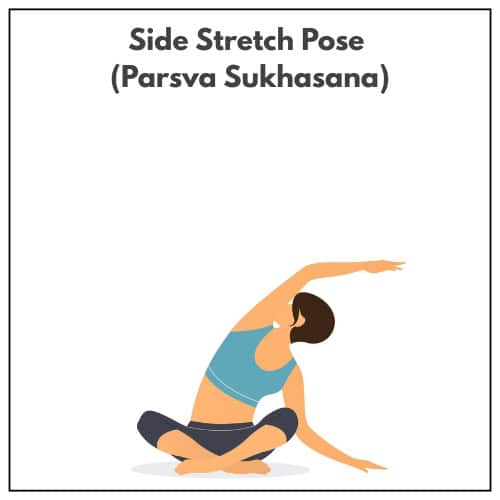
How to Do It:
- Sit cross-legged on your mat with a tall, straight spine.
- Inhale to lift your right arm overhead, reaching toward the ceiling. Keep your other arm on the ground, elbow bent.
- Exhale as you gently lean to the left, feeling a stretch along the side of your body.
- Hold for 20–30 seconds, then switch sides.
Tips: Keep both hips grounded to stay stable and avoid tipping over. Move slowly and mindfully to prevent overstretching or strain.
Benefits:
- Increases lateral flexibility in the spine and ribs
- Opens shoulders and chest
- Supports better posture and breathing
10. Reclining Spinal Twist (Supta Matsyendrasana)
Why it improves flexibility: Reclining Spinal Twist is a gentle but effective way to stretch the spine, shoulders, and hips.
It enhances rotational mobility and helps release tension in the lower back, leaving you feeling more open and relaxed.
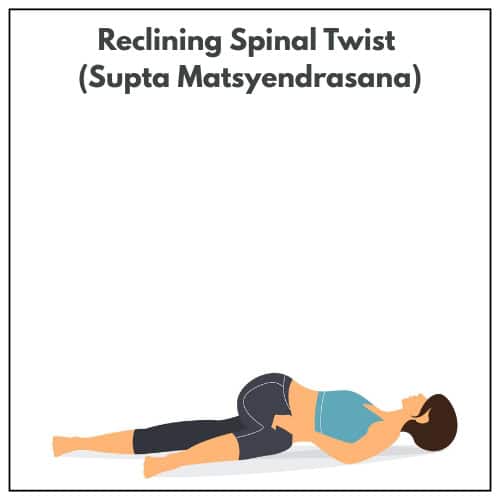
How to Do It:
- Lie on your back and hug your right knee toward your chest.
- Exhale as you cross your right knee over to the left side of your body, keeping both shoulders grounded.
- Extend your right arm out to the side and turn your gaze to the right.
- Hold the twist for 30–60 seconds, then switch sides.
Tips: Keep both shoulders pressed gently into the floor for a safe stretch. Move slowly and mindfully to avoid straining your lower back.
Benefits:
- Stretches the spine, hips, and shoulders
- Improves spinal rotation and overall flexibility
- Relieves tension in the lower back
Tips to Safely Improve Flexibility with Yoga
Improving flexibility takes patience and mindfulness. These simple tips will help you get the most out of your practice while keeping your body safe:
1. Warm Up First
Start with gentle movements like Cat–Cow or shoulder rolls to prepare your muscles and joints for deeper stretches.
2. Breathe Deeply
Use your breath to guide your body. Exhale as you move into a stretch to release tension and gently increase your range of motion.
3. Use Props
Sometimes a little extra support can make a big difference in yoga, especially when working on flexibility.
Props like yoga blocks, straps, and blankets help make poses more accessible, maintain proper alignment, and allow deeper, safer stretches.
For example, a Gaiam Yoga Block, a Gaiam Yoga Strap, and a soft Yogikuti Yoga Blanket (all available on Amazon) can provide support where it’s needed most—lifting or stabilizing hands and feet, extending reach in stretches, or adding cushioning for knees, hips, and back.
Using these props allows the body to relax into each pose, encouraging better flexibility, comfort, and overall enjoyment of the practice.
4. Move Gradually
Avoid forcing yourself into a pose. Flexibility improves over time with consistent, mindful practice.
5. Consistency Matters
Short daily sessions—even 10–15 minutes—are often more effective than occasional long practices. Regular practice keeps your body flexible and resilient.
Final Thoughts
Flexibility isn’t about touching your toes or twisting into impossible shapes—it’s about feeling open, balanced, and comfortable in your own body.
Yoga for flexibility gives you the tools to move with ease, release tension, and build strength, all while listening to what your body needs.
If you practice these 10 poses regularly, even for just a few minutes a day, you’ll start to notice your hamstrings, hips, spine, and shoulders loosening up. You’ll feel more mobile, more relaxed, and more in tune with your body.
And the best part?
You don’t need to rush—every little stretch counts, and your progress will come naturally over time.
So, grab your mat, take a deep breath, and give yourself permission to move gently, explore these poses, and enjoy the journey.
*This article is for informational purposes only and is not intended as medical advice. It should not be used to diagnose, treat, or prevent any health condition. Always consult a qualified healthcare professional before making any changes to your diet, exercise, or health routine.
Lau, Caren et al. “Effects of a 12-Week Hatha Yoga Intervention on Cardiorespiratory Endurance, Muscular Strength and Endurance, and Flexibility in Hong Kong Chinese Adults: A Controlled Clinical Trial.” Evidence-based complementary and alternative medicine : eCAM vol. 2015 (2015): 958727. doi:10.1155/2015/958727. Adapted and used under the terms of the Creative Commons Attribution 4.0 International License.
Luo, Xue, and Xu Huang. “The effects of a yoga intervention on balance and flexibility in female college students during COVID-19: A randomized controlled trial.” PloS one vol. 18,3 e0282260. 22 Mar. 2023, doi:10.1371/journal.pone.0282260. Adapted and used under the terms of the Creative Commons Attribution 4.0 International License.

Malin, the co-founder of Courier Wellness, is well-informed in nutrition and health and brings her own unique perspective to the world of holistic wellness. With a passion for writing and a deep interest in wellbeing, she wants to create content that fosters balance and nourishment for the mind and body.