The Truth Behind How Ultra-Processed Foods Cause Cravings
This post contains affiliate links, which means we may earn a commission if you purchase through our links—at no extra cost to you. As an Amazon Associate we earn from qualifying purchases. We only recommend products we use or trust. Learn more about affiliate marketing or read our full disclosure.
Ever found yourself halfway through a bag of chips, wondering how you got there? Or reaching for cookies just because they’re there—even though you’re not really hungry?
Yeah, me too. And guess what? It’s not just about willpower. There’s actually a scientific reason behind these cravings. Ultra-processed foods are designed to hijack your brain’s reward system.
Sneaky, right?
They mess with your neurotransmitters, making you want more—even when your body doesn’t need more.
Loaded with sugar, fat, and salt, these foods override your body’s natural “I’m full” signals. That’s how you end up eating way more than you intended, without even realizing it.
But here’s the good news: once you understand what’s happening, you can break free.
So, let’s uncover the truth about why ultra-processed foods are so addictive—and, more importantly, how to take back control.
Let’s dive in!
The Science of Cravings
Ever feel like some foods are impossible to resist? You’re not imagining it. Let’s break it down why that is.
Think about chips, sugary cereals, frozen dinners, or fast food. These ultra-processed foods are loaded with artificial ingredients, added sugars, unhealthy fats, and preservatives.
They’re not just tasty—they’re designed to keep you coming back for more. And it all starts in your brain.
Your brain runs on chemical messengers called neurotransmitters. These little guys control everything—your mood, sleep, appetite, and yes, cravings.
One of the most powerful neurotransmitters?
Dopamine—a.k.a. the “feel-good” chemical. Dopamine is part of your brain’s reward system. It motivates you to seek out things that make you happy—like eating a great meal, laughing with friends, or even exercising.
Sounds pretty great, right?
But here’s the problem: ultra-processed foods flood your brain with huge dopamine hits, way more than natural foods ever could.
The result?
Your brain gets hooked. The more you eat, the stronger the cravings become. Basically, these foods train your brain to keep reaching for them—again and again.
Long Term Effects of Ultra-Processed Foods
Here’s where things get tricky. Over time, your brain adjusts to all that extra dopamine by becoming less sensitive to it.
That means you need more and more of those ultra-processed foods just to get the same “feel-good” effect.
It’s like being stuck on a craving hamster wheel—the more you eat, the more you want.
And if you’ve ever tried cutting back, you know how tough it can be. That’s because when you suddenly stop, your brain’s reward system freaks out.
You might feel irritable, anxious, or just plain miserable—until you give in.
Sound familiar?
And while breaking this cycle isn’t easy—here’s the good news: understanding it is the first step. Once you know what’s going on in your brain, you can start making small changes to take back control.
And trust me, it is possible.
RELATED POST: How Ultra-Processed Foods Make Their Way to Your Table
The Ultra-Processed Food Trap
Let’s be real—craving certain foods is totally normal.
But when it comes to ultra-processed foods, it’s not just your taste buds calling the shots. These foods are carefully designed to keep you hooked—and the food industry knows exactly how to do it.
Let’s break down each one:
1. Sugar, Fat, and Salt: The Craving Trifecta
Ever heard of the “bliss point”?
It’s what food scientists call the perfect mix of sugar, fat, and salt—the magic combo that keeps you reaching for more.
These three ingredients work together like a craving superteam, hijacking your brain’s reward system in the most addictive way possible.
Sugar: The Instant High
Ever wonder why sweets feel so satisfying?
That’s sugar at work. It triggers a dopamine surge, giving your brain a quick hit of pleasure. It’s like a mini celebration with every bite—and your brain?
It loves a good party.
Fat: The Ultimate Comfort
Fat isn’t just about taste—it’s about texture. That creamy, melt-in-your-mouth richness makes food feel extra indulgent.
Plus, fat enhances flavors and aromas, making every bite even more irresistible.
Salt: The Flavor Booster
Salt is the ultimate enhancer. It makes flavors pop and adds that addictive savory touch.
And just like sugar, salt also triggers dopamine, nudging you to grab one more handful of chips… and then another… and another.
But here’s the kicker: ultra-processed foods are engineered to hit your brain’s “bliss point” perfectly. That’s why stopping at one cookie or a single slice of pizza feels nearly impossible.
But once you know how this trifecta works, you can start breaking free. The more aware you are of these sneaky tricks, the easier it becomes to take back control of your cravings.
2. Hyper-Palatability
Ultra-processed foods aren’t just tasty—they’re designed to be irresistible. And trust me, that’s no accident.
Food manufacturers engineer these products to hit all the right notes—playing with flavors, textures, and additives in a way that keeps you coming back for more.
Think about it:
- The perfect crunch of a chip.
- The creamy filling of a cookie.
- The gooey stretch of melted cheese on pizza.
These textures don’t just satisfy hunger—they light up your brain’s reward centers, triggering cravings that feel almost impossible to resist.
The secret?
Sensory overload. Ultra-processed foods are salty, sweet, savory—sometimes all three at once. They’re also packed with additives that amplify taste and texture, creating a level of deliciousness that feels almost unreal.
This phenomenon is called hyper-palatability, and it’s why stopping at just one bite is so tough.
But once you see the tricks behind these foods, you can start making more mindful choices—and finally take back control.
3. Easy Accessibility
Ultra-processed foods are everywhere. Walk into any grocery store, vending machine, or gas station, and there they are—front and center, practically calling your name.
They’re cheap, convenient, and require zero prep, making them the ultimate go-to when you’re short on time or energy.
And let’s be real—life is always busy. So when you’re rushing between work, errands, or just trying to keep up, it’s hard to say no to prepackaged snacks, frozen meals, or fast food.
After all, why spend time cooking when you can grab something ready-to-eat in seconds?
And then there’s the cost factor. Ultra-processed foods are often cheaper than fresh, whole foods, making them the easy choice for your wallet—even if they’re not the best choice for your health.
But unfortunately this convenience comes at a price. When food is this easy to grab, it fuels the cycle of cravings.
The key?
Recognizing the trap and planning ahead. Keeping healthier options on hand makes it so much easier to make choices that benefit both your body and mind.
Because in the long run, your health is worth the extra effort.
RELATED POST: Why Ultra-Processed Foods Are More Affordable
4. Emotional Triggers
Ultra-processed foods don’t just taste good—they also pull at your heartstrings.
Think about it:
- A warm bowl of mac and cheese that brings back childhood memories.
- A tub of ice cream that screams “treat yourself!” after a long day.
These foods are expertly marketed to tap into your emotions, making them even harder to resist.
Had a stressful day? Feeling down?
Ultra-processed foods promise comfort and indulgence—like a hug in food form. And let’s be real—sometimes, it works.
But here’s the problem: the relief is temporary. Before you know it, stress-eating can turn into a cycle of cravings, regret, and repeat.
That’s why recognizing your emotional triggers is so important.
Once you realize that your cravings might be about more than just hunger, you can start finding healthier ways to cope—whether it’s calling a friend, going for a walk, or treating yourself to a different kind of self-care.
Because real comfort doesn’t come from a snack—it comes from taking care of you.
5. Marketing and Packaging
Ever walked down a grocery store aisle and felt drawn to a brightly colored bag or a fun, quirky label?
That’s no accident.
Ultra-processed foods are designed to grab your attention before you even take a bite.
From bold colors and playful mascots to catchy slogans and “limited-time” flavors, the packaging isn’t just about food—it’s about creating excitement.
Suddenly, it feels like you have to try it.
And the marketing doesn’t stop there. These products are backed by clever ads, promotions, and nostalgia-driven messaging that make them feel irresistible.
Whether it’s a promise of fun, indulgence, or a trip down memory lane, the goal is simple: make you feel like you’re missing out if you don’t buy it.
But here’s the secret: it’s all marketing magic—designed to tempt you, not to nourish you. Once you see these tactics for what they are, you can start making more mindful choices—ones that truly benefit you, not the food industry.
RELATED POST: Unraveling Marketing Tricks in the World of Ultra-Processed Foods
6. Rapid Consumption
Ever finish off a bag of chips or a sleeve of cookies before you even realize it?
You’re definitely not alone. Ultra-processed foods are designed to be eaten quickly and effortlessly, making it way too easy to overeat.
These foods are so tasty and convenient that we often eat them mindlessly—whether we’re watching TV, scrolling through our phones, or working at our desks.
The problem?
This rapid consumption doesn’t give our brains enough time to catch up and say, “Hey, I’m full!” And before we know it, we’ve eaten way more than we intended.
Plus, ultra-processed foods are calorie-dense but lack the fiber and nutrients that help us feel truly satisfied. That means we’re way more likely to keep reaching for more, even when our bodies have had enough.
The good news?
Slowing down and eating mindfully can help you tune into your body’s hunger and fullness signals, making it easier to stop when you’re actually satisfied.
RELATED POST: How to Make Intuitive Eating Work For You and Support Weight Loss
7. Social Influence
Ever notice how much easier it is to reach for that bag of chips or grab a slice of pizza when everyone around you is doing the same?
It’s not just a coincidence—our eating habits are strongly influenced by the people we spend time with.
When friends, family, or coworkers regularly munch on ultra-processed foods, it starts to feel totally normal to join in. Honestly, not joining in can even feel a little weird.
Social situations—whether it’s parties, gatherings, or casual lunch breaks—tend to revolve around convenient, highly processed snacks, making it harder to choose healthier options.
But here’s the good news: being aware of this influence puts you in control.
You don’t have to skip the party or avoid your friends. It’s all about finding a balance and making choices that support your health goals—even if everyone else is reaching for the chips.
How Ultra Processed Food Impact on Health
We already know that ultra-processed foods are hard to resist, but did you know they’re also linked to some pretty serious health issues?
These foods are designed to trigger your brain’s reward system, making it harder to say no. But their effects go far beyond just cravings.
Here are 10 ways they can impact your health:
1. Increases the Risk of Obesity
If you’re eating a lot of ultra-processed foods, you’re more likely to face a higher risk of being overweight or obese.
These foods are calorie-dense but low in nutrients, which means it’s super easy to overeat without actually feeling full or satisfied.
RELATED POST: What Is the Relationship Between Ultra-Processed Foods and Obesity?
2. Raises the Risk of Heart Disease
Ultra-processed foods are loaded with unhealthy fats, added sugars, and salt—ingredients that, over time, can seriously increase your risk of developing heart disease.
3. Contributes to Type 2 Diabetes
Because these foods cause quick spikes in blood sugar, regularly eating them can increase your chances of developing type 2 diabetes.
4. Fuels Chronic Inflammation
Many ultra-processed foods contain refined grains and unhealthy fats, which can lead to chronic inflammation in the body.
Over time, this can take a serious toll on your overall health.
5. Linked to an Increased Risk of Cancer
Certain additives and preservatives in ultra-processed foods have been linked to a higher risk of cancer. It’s a scary thought, but one worth considering when making food choices.
6. Negatively Impacts Mental Health
You might not realize it, but what you eat can affect your mood.
Consuming too many ultra-processed foods has been linked to higher rates of depression, anxiety, and other mental health struggles.
RELATED POST: How to Improve Your Mental Health by Reducing Ultra-Processed Food
7. Increases the Risk of Metabolic Syndrome
Regularly eating ultra-processed foods can lead to metabolic syndrome, a group of conditions—like high blood pressure and high blood sugar—that increase your risk of heart disease and stroke.
8. Disrupts Gut Health
Your gut is the foundation of your health, and ultra-processed foods can disrupt its balance.
These foods are low in fiber and high in additives, which can lead to digestive issues and an unhealthy gut microbiome.
9. Leads to Nutrient Deficiency
Ultra-processed foods are often packed with empty calories, but they’re missing key nutrients like vitamins, minerals, and fiber.
Over time, this can lead to nutrient deficiencies that impact your overall health.
10. Encourages Addictive Eating Behaviors
Finally, the hyper-palatable nature of ultra-processed foods—full of sugar and unhealthy fats—can create addictive eating behaviors.
Over time, this leads to overeating and a cycle of craving and indulgence.
As tempting as these foods can be, understanding their impact on your health gives you the power to make more informed choices and take control of your eating habits.
Breaking the Cycle of Ultra-Processed Foods
Breaking free from the grip of ultra-processed foods can feel like an uphill battle, but don’t worry—it’s totally possible.
With the right mindset and strategies, you can start taking control of your cravings and develop a healthier, more balanced relationship with food.
Here are some tips to help you along the way:
1. Eat Regularly
Ever skip a meal and suddenly find yourself ravenous, reaching for anything you can find?
When you go too long without eating, your body craves quick sources of energy—like ultra-processed foods. To keep those cravings from taking over, try eating regular, balanced meals and snacks throughout the day.
Having a steady stream of nutrients helps keep your blood sugar stable, reducing the chances of a sudden craving attack.
Plus, when you’re not starving, it’s easier to make healthier food choices instead of giving in to that bag of chips.
2. Plan Ahead
We’ve all been there: it’s late, you’re hungry, and the easiest option is grabbing something ultra-processed. But here’s the secret—planning ahead makes a world of difference.
Take a little time at the start of your week to plan your meals and prep them in advance. When you’ve got healthy, ready-to-go options waiting in the fridge, you’re less likely to reach for those processed snacks.
Plus, it saves time during the week and keeps you on track with your goals.
Even if you only prep a couple of meals or snacks, it can make a huge difference when life gets busy.
3. Choose Whole Foods
When you’re grocery shopping, it’s easy to get sidetracked by the colorful packaging of ultra-processed foods.
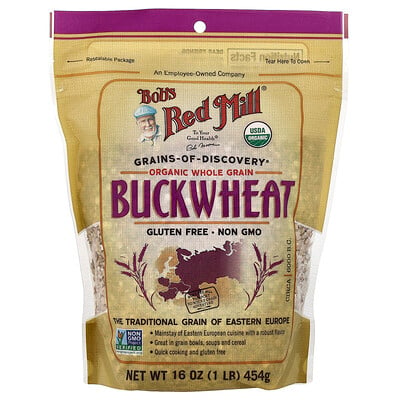
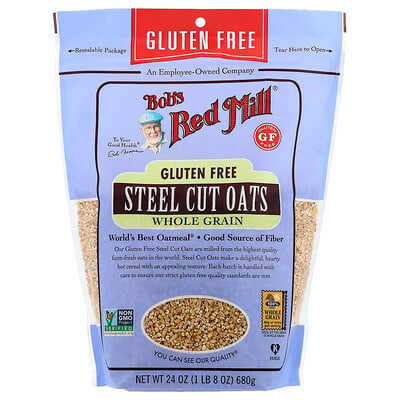
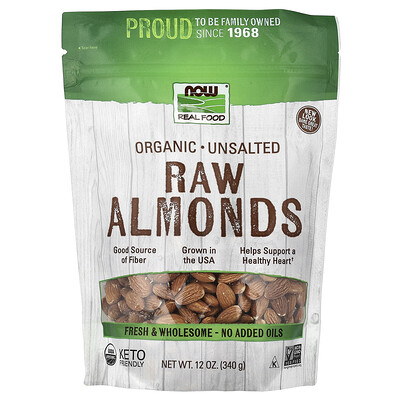
But here’s a simple tip—stick to the perimeter of the store. That’s where you’ll find all the good stuff: fresh fruits, veggies, whole grains, lean proteins, and healthy fats.
These whole, unprocessed foods are packed with nutrients your body craves and can help keep those sneaky cravings at bay. By choosing whole foods, you’re fueling your body with what it truly needs, and you’ll feel more satisfied for longer.
4. Read Labels
Next time you pick up a packaged food, take a minute to check the ingredients list. It might surprise you what’s actually inside.
Aim for products with simple, recognizable ingredients—things you can pronounce and understand. If you see a long list of additives, preservatives, or unrecognizable chemicals, it’s likely ultra-processed.
By reading labels, you can make more informed choices and avoid products that sneak in all the unhealthy stuff.
It’s all about knowing exactly what you’re putting in your body!
RELATED POST: How to Limit Ultra-Processed Foods by Reading Food Labels
5. Find Healthy Alternatives
When those snack cravings hit, it’s easy to reach for the chips or cookies. But why not try swapping them out for healthier options that still hit the spot?
Instead of processed snacks, try satisfying your cravings with homemade trail mix, home-made popcorn, or some fresh fruit.
These alternatives can give you that crunch, sweetness, or munching satisfaction, but with way more nutrients and a lot less guilt. Plus, they’ll keep you feeling fuller for longer, so you’re less likely to reach for the unhealthy stuff.
RELATED POST: How The Blue Zone Diet Helps People Avoid Ultra-Processed Foods
6. Practice Mindful Eating
When you eat, do you ever really stop and pay attention to how you’re feeling?
Practicing mindful eating can make a huge difference. Slow down, savor each bite, and pay attention to your body’s hunger and fullness cues.
By eating more mindfully, you’ll become better at recognizing when you’re truly hungry versus when you’re just bored or stressed. Plus, taking the time to enjoy your food can help prevent overeating and make meals more satisfying.
7. Make Sure You Feel Full
One of the biggest reasons we give in to cravings is simply because we’re still hungry!
To avoid that, try to include protein, healthy fats, and fiber in your meals and snacks. These nutrients help keep you feeling full and satisfied for longer, so you’re less likely to reach for something processed.
By making sure your meals are balanced, you’ll stay energized and curb those cravings before they even start.
It’s all about giving your body the fuel it needs to feel good all day long!
8. Be Kind to Yourself
Cravings happen—it’s part of being human! And honestly, it’s totally okay to give in every once in a while. The key is moderation.
Don’t be too hard on yourself if you enjoy your favorite treats now and then.
It’s not about being perfect or completely eliminating indulgences; it’s about finding balance. Enjoying your treats without guilt is part of a healthy relationship with food, so be kind to yourself and embrace the journey!
9. Eat Delicious Food
Healthy eating doesn’t mean giving up flavor—it’s all about finding ways to make nutritious meals exciting and delicious!
Get creative in the kitchen and try new recipes or experiment with different herbs, spices, and ingredients to discover meals you truly enjoy.
If you don’t love what you’re eating, it’s going to be hard to stick with a healthy diet long-term. So, make sure your meals are both satisfying and enjoyable.
Eating healthy can be just as tasty as it is good for you!
10. Stock a Healthy Kitchen
A well-stocked kitchen makes healthy eating so much easier.
When you have nutritious options on hand, you’re more likely to make good choices instead of reaching for something ultra-processed.
Fill your pantry with whole grain products, and keep fresh produce, frozen fruits and veggies, lean proteins, and even a little dark chocolate for satisfying sweet cravings.
By keeping these healthy staples in your kitchen, you’ll always have a quick and nutritious option ready to go. It’s all about setting yourself up for success!
11. Prepare Your Meals at Home
Eating out is easy, but it often means extra sodium, unhealthy fats, and more calories than you’d like.
By cooking at home, you have full control over what goes into your meals, so you can make healthier choices.
Take some time each week to plan and prep your meals. Even if it’s just a few simple dishes, cooking at home helps you stay on track and can be a lot more satisfying than grabbing takeout.
Plus, it’s a great way to get creative in the kitchen and enjoy meals tailored to your taste!
RELATED POST: How to Do Meal Planning for Beginners
12. Gradual Changes
Trying to completely overhaul your diet overnight can feel overwhelming—and it often leads to burnout. Instead, focus on making small, gradual changes to your eating habits.
Start by swapping one unhealthy snack for a healthier option or adding an extra serving of vegetables to your meals.
These little adjustments can add up over time, and they help prevent that feeling of deprivation or failure.
Remember, progress is progress, no matter how small the step!
13. Address Emotional Eating
It’s easy to turn to food when you’re feeling stressed, sad, or overwhelmed. But emotional eating can lead to unhealthy habits and make it harder to stick to your goals.
Instead of reaching for food, try finding other ways to cope with your emotions.
Take a walk, talk to a friend, or practice deep breathing when you’re feeling stressed.
Identifying the underlying issues and dealing with them in a healthy way will help you break free from emotional eating and develop a stronger connection with your body’s true hunger cues.
Final Thoughts
It’s important to remember that cravings for ultra-processed foods are completely normal. You don’t need to be too hard on yourself or try to completely cut out all indulgences.
Instead, the goal is to find ways to make healthy eating both enjoyable and sustainable.
Experiment with new recipes, keep your kitchen stocked with nutritious options, and make cooking at home a fun part of your routine. Gradual changes and being kind to yourself will make a big difference.
It’s also key to address emotional eating by finding healthier ways to cope with your emotions. Ultra-processed foods may be addictive, but with the right strategies and a little patience, you can make lasting changes.
Remember, it’s not about being perfect—it’s about progress and balance.
So, don’t get discouraged by occasional slip-ups or cravings. Keep making small, positive changes, and focus on self-care.
Your health is worth every effort, and you’re more than capable of achieving your goals!
*This article is for informational purposes only and is not intended as medical advice. It should not be used to diagnose, treat, or prevent any health condition. Always consult a qualified healthcare professional before making any changes to your diet, exercise, or health routine.
Delpino, Felipe Mendes et al. “Ultra-processed food and risk of type 2 diabetes: a systematic review and meta-analysis of longitudinal studies.” International journal of epidemiology vol. 51,4 (2022): 1120-1141. doi:10.1093/ije/dyab247.
"Food Labels." Centers for Disease Control and Prevention, last reviewed 20 September 2022, https://www.cdc.gov/diabetes/managing/eat-well/food-labels.html. Accessed 20 March 2024.
Lemos TC et al. "Ultra-Processed Foods Elicit Higher Approach Motivation Than Unprocessed and Minimally Processed Foods." Front. Public Health, 10:891546, 2022, doi: 10.3389/fpubh.2022.891546.
Mambrini, Sara Paola et al. "Ultra-Processed Food Consumption and Incidence of Obesity and Cardiometabolic Risk Factors in Adults: A Systematic Review of Prospective Studies" Nutrients, 15, no. 11: 2583, 2023, https://doi.org/10.3390/nu15112583. Adapted and used under the terms of the Creative Commons Attribution 4.0 International License.
"New evidence links ultra-processed foods with a range of health risks." BMJ Newsroom, 25 May 2019, https://www.bmj.com/company/newsroom/new-evidence-links-ultra-processed-foods-with-a-range-of-health-risks/. Accessed 20 March 2024.
Rao, Pingfan et al. “Addressing the sugar, salt, and fat issue the science of food way.” NPJ science of food vol. 2 12. 16 Jul. 2018, doi:10.1038/s41538-018-0020-x. Adapted and used under the terms of the Creative Commons Attribution 4.0 International License.
Shi, Zumin. “Gut Microbiota: An Important Link between Western Diet and Chronic Diseases.” Nutrients vol. 11,10 2287. 24 Sep. 2019, doi:10.3390/nu11102287. Adapted and used under the terms of the Creative Commons Attribution 4.0 International License.
Sutton, Cassandra A et al. “Ultraprocessed, hyper-palatable, and high energy density foods: Prevalence and distinction across 30 years in the United States.” Obesity (Silver Spring, Md.) vol. 32,1 (2024): 166-175. doi:10.1002/oby.23897.
Volkow, Nora D et al. “Reward, dopamine and the control of food intake: implications for obesity.” Trends in cognitive sciences vol. 15,1 (2011): 37-46. doi:10.1016/j.tics.2010.11.001.

Linda is the co-founder of Courier Wellness and holds a Diploma in Natural Health Nutrition & Diet. Her passions include photography, food, and travel, where she derives inspiration from diverse cultures and their holistic approaches to well-being. She is committed to helping others make informed, nourishing choices for a healthier life.