8 Blue Zones Diet Secrets for Cutting Out Ultra-Processed Foods
This post contains affiliate links, which means we may earn a commission if you purchase through our links—at no extra cost to you. As an Amazon Associate we earn from qualifying purchases. We only recommend products we use or trust. Learn more about affiliate marketing or read our full disclosure.
Imagine waking up each day feeling energized, focused, and truly comfortable in your own body.
No sluggish mornings. No sugar crashes. Just steady, lasting energy that helps you feel your best from morning to night.
Sounds pretty great, doesn’t it?
That’s exactly what the blue zones diet is designed to help you move toward.
Inspired by the eating habits of some of the world’s longest-living communities, this way of eating emphasizes fresh, wholesome foods that nourish your body and support long-term health.
There’s no focus on ultra-processed foods or ingredient lists packed with additives you can barely pronounce. Instead, it’s all about simple, real food that helps you feel good every day.
In this article, we’ll explore eight practical “secrets” inspired by blue zones eating habits that can help you follow the blue zones diet and avoid ultra-processed foods—without extreme dieting or relying on endless willpower.
What Is the Blue Zones Diet?
Have you ever wondered why some people seem to live much longer than others?
As it turns out, where you live can play a surprisingly big role.
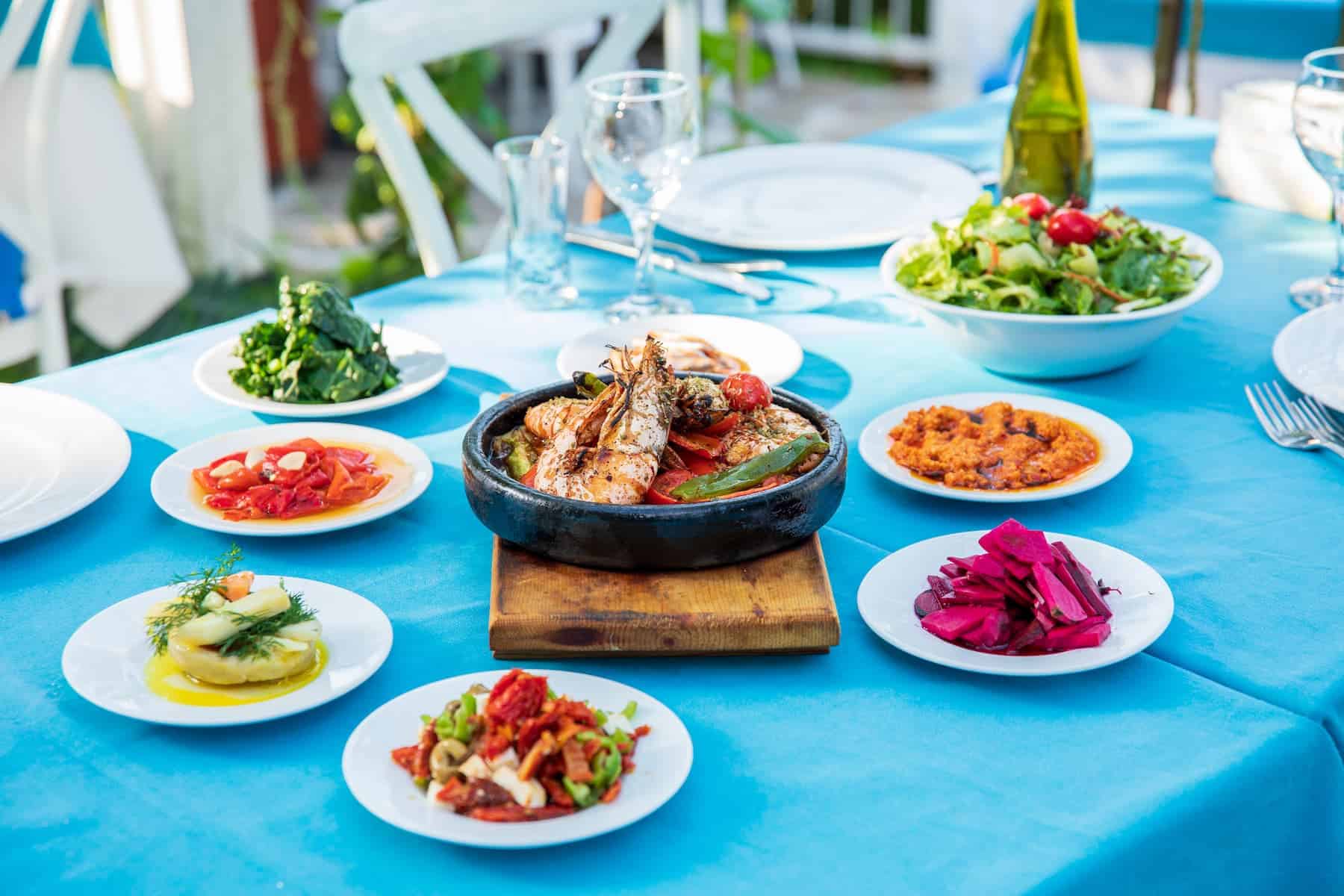
There are a few places around the world where people don’t just live long lives—they stay active, mentally sharp, and full of energy well into their 90s and beyond.
These remarkable regions are known as blue zones.
The term was introduced in 2004 by journalist and National Geographic Fellow Dan Buettner, who spent years studying some of the world’s longest-living populations.
What he discovered was striking:
These communities aren’t made up of people with unusually good genetics alone. They also share everyday lifestyle habits that support long-term health and longevity.
These places include:
- Okinawa (Japan)
- Sardinia (Italy)
- Nicoya (Costa Rica)
- Ikaria (Greece)
- Loma Linda (California)
Research has found that these communities share several common lifestyle habits, including predominantly plant-based diets, regular physical activity, strong social connections, and supportive environments—all of which are associated with exceptional longevity.
Rather than following strict rules, counting calories, or chasing the latest diet trends, the blue zones approach to eating is built around simple, everyday habits that naturally support better health over time.
It isn’t about being perfect. It’s about being consistent—choosing simple, real foods most of the time in a way that feels natural and sustainable for your everyday life.
If you’d like to explore the research and habits behind the world’s longest-living communities in more detail, The Blue Zones Solution by Dan Buettner is an excellent resource.
book tip
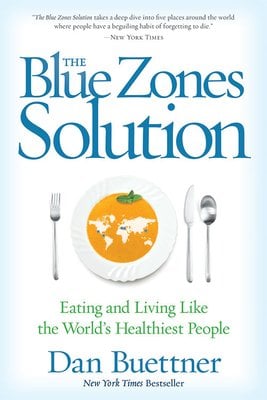
The Blue Zones Solution
By Dan Buettner
Want to know the secrets to living longer, healthier, and happier?
Did you know? Bookshop.org gives 80%+ of their profits to support independent bookstores.
*We may earn a commission at no extra cost to you.
Now, let’s take a closer look at how the blue zones diet can help you avoid ultra-processed foods:
1. Build Your Diet Around Beans (Not Packaged Protein Foods)
One of the most common eating habits shared across the blue zones is eating beans and legumes every day.
In places like Okinawa, Sardinia, and Nicoya, beans are a daily staple—not just a side dish or an occasional meal.
Experts say beans are one of the cornerstones of traditional blue zones diets because they provide protein, fiber, vitamins, and minerals while helping replace less nutritious foods in everyday meals.
They commonly appear as:
- Black beans in Costa Rica
- Lentils and chickpeas throughout the Mediterranean
- Soy-based foods like tofu in Japan
This matters because beans naturally take the place of many ultra-processed foods, including:
- Protein bars
- Processed meats
- Packaged “fitness” snacks
Beans are:
- Affordable
- Filling
- High in fiber
- Rich in nutrients
- Minimally processed in their traditional forms
When beans become one of your main sources of protein, you’re naturally following one of the key principles of the blue zones diet while making it easier to avoid ultra-processed foods.
2. Eat Foods With Short Ingredient Lists
One of the simplest ideas behind the blue zones diet is also one of the most powerful:
If you don’t recognize the ingredients, it’s probably not something you should be eating every day.
Traditional blue zones meals are typically built around:
- Vegetables
- Whole grains
- Legumes
- Fruits
- Nuts
- Olive oil
Now compare that with ultra-processed foods, which often contain:
- Artificial flavors
- Emulsifiers
- Preservatives
- Refined starches
- Added sugars
- Industrial seed oils
Researchers behind the NOVA food classification describe ultra-processed foods as industrial formulations made with ingredients and additives that are rarely used in home cooking.
The blue zones diet emphasizes simple, minimally processed ingredients rather than heavily packaged convenience foods. Meals are built around foods you could grow yourself, gather from nature, or easily recognize.
That simple approach naturally makes it easier to avoid ultra-processed foods.
3. Make “Cooking at Home” Your Default Setting
In blue zones communities, cooking at home isn’t considered a special hobby—it’s simply part of everyday life.
Meals are usually prepared from scratch using simple ingredients, often following traditional recipes that have been passed down through generations.
Cooking at home is associated with healthier eating habits.
Research suggests that people who cook at home more often tend to have healthier overall diets, including greater consumption of fruits and vegetables and lower intake of ultra-processed convenience foods.
Cooking at home helps reduce your reliance on ultra-processed foods because it:
- Cuts back on packaged meals
- Gives you more control over ingredients
- Makes you more aware of what you’re eating
- Helps build consistent habits
But modern life often replaces home cooking with convenience, such as:
- Takeout
- Delivery apps
- Microwave meals
- Ready-to-eat snacks
In the blue zones, home cooking is the norm rather than the exception.
Even simple meals like soups, rice dishes, and stews can naturally replace ultra-processed foods when cooking becomes a regular part of your routine.
4. Keep Your Meals Simple and Familiar
One of the most overlooked aspects of the blue zones diet is how simple and repetitive the meals often are.
Instead of constantly looking for variety or chasing the latest food trends, people in the blue zones tend to eat a small collection of familiar meals again and again.
This might include:
- Beans and rice
- Vegetable soups
- Whole grains and greens
- Seasonal fruits
- Simple breads
This kind of repetition helps reduce ultra-processed food intake in two important ways:
- It reduces decision fatigue
- It decreases cravings for novelty-driven packaged foods
Modern diets often encourage constant variety through marketing, including:
- New snacks
- Limited-edition products
- Trendy foods
The blue zones diet, on the other hand, emphasizes consistency over constant stimulation. As a result, relying less on processed foods becomes a natural part of everyday eating.
5. Keep Sugar as an Occasional Ingredient, Not a Daily Habit
One of the biggest reasons ultra-processed foods are so common is their high added sugar content.
Many packaged foods are essentially sugar delivery systems disguised as healthy choices, including:
- Breakfast cereals
- Yogurts
- Energy drinks
- Snack bars
- Sauces
In the blue zones diet, sugar isn’t completely eliminated—but it’s used sparingly and with intention.
When people want something sweet, it often comes from:
- Whole fruit
- Small amounts of honey
- Naturally sweet vegetables like sweet potatoes
Desserts are still enjoyed, but they’re usually an occasional treat rather than an everyday habit.
Reducing your sugar intake naturally helps you avoid ultra-processed foods because so many of them are designed to be highly sweet and difficult to resist.
6. Let Plants Fill Most of Your Plate
Across the blue zones, most of the calories people consume come from plant-based foods.
That typically includes:
- Vegetables
- Legumes
- Whole grains
- Nuts
- Fruits
When plant foods make up most of your meals, there’s naturally less room for ultra-processed foods.
Part of the reason is that many processed foods are designed to replace real, whole foods, such as:
- Chips instead of potatoes
- Protein bars instead of beans
- Sweetened drinks instead of fruit
- Frozen meals instead of freshly cooked dishes
The blue zones diet doesn’t try to recreate real food in a package. Instead, it emphasizes foods that are as close to their natural state as possible.
Plants also provide:
- Fiber
- Volume
- Nutrients
- Satiety
Together, these benefits can make ultra-processed foods less appealing over time.
7. Eat Slowly and Without Distraction
One of the most overlooked ways to reduce ultra-processed foods is to pay attention to how you eat—not just what you eat.
In the blue zones, meals are often:
- Slow
- Social
- Mindful
- Relaxed
Eating more slowly helps you become more aware of your body’s natural hunger and fullness cues, including:
- Fullness
- Flavor
- Satisfaction
Studies indicate that eating more slowly can increase feelings of fullness and may reduce overall energy intake by giving the body’s natural appetite-regulating signals more time to develop.
Modern life often looks very different:
- Eating on the go
- Working while you eat
- Scrolling through your phone during meals
- Quickly finishing packaged snacks
Part of the reason is that ultra-processed foods are often designed to be highly convenient and easy to consume.
When you slow down, you’re more likely to notice:
- How much you’re really eating
- How different foods make you feel after eating.
- Whether you’re genuinely hungry or simply eating out of habit
That awareness alone can make it easier to eat fewer ultra-processed foods over time.
8. Design Your Environment, Not Just Your Willpower
One of the most valuable lessons from the blue zones is that healthy eating becomes much easier when your environment supports it.
Evidence shows that the food environments —including the availability, convenience, and marketing of foods—play a major role in shaping eating behaviors, making healthy choices easier or harder regardless of individual motivation.
In blue zones communities, ultra-processed foods are less common because:
- Traditional foods are easy to access
- Cooking is a normal part of everyday life
- Markets prioritize fresh, whole ingredients
- Social habits encourage home-cooked meals
In many modern environments, ultra-processed foods are:
- Cheap
- Widely available
- Heavily marketed
- Extremely convenient
That’s why the blue zones remind us that healthy eating isn’t driven by willpower alone—it’s heavily influenced by the environment around us.
To reduce ultra-processed foods, it can help to:
- Keep your kitchen stocked with whole foods
- Store processed snacks out of sight
- Make healthier options easy to reach
- Plan simple meals ahead of time
When your environment changes, your habits often begin to change right along with it.
Why Blue Zones Naturally Avoid Ultra-Processed Foods
One of the most interesting findings from blue zones research is that people in these communities aren’t intentionally avoiding ultra-processed foods in the way we often think about today.
Instead, their food traditions were established long before ultra-processed foods became widely available.
Traditional diets are built around:
- Local agriculture
- Seasonal foods
- Cultural recipes
- Simple cooking techniques
Ultra-processed foods are largely a product of modern industrial food systems. Rather than focusing on restriction, the blue zones diet is rooted in long-standing food traditions built around real, whole foods.
How Food Environments Shape Our Eating Habits
Ultra-processed foods aren’t only the result of personal choices—they’re also shaped by the food systems around us.
They’re designed to be:
- Cheap
- Shelf-stable
- Highly appealing
- Easy to distribute
The blue zones diet exists within very different food systems, where meals are often:
- Fresh
- Seasonal
- Locally produced
- Home-cooked
That’s one reason why blue zones eating habits can be difficult to fully recreate in modern environments without making intentional changes.
It’s not just about knowing what to eat—it’s also about the environment that shapes your food choices.
What Happens When You Reduce Ultra-Processed Foods?
Although everyone responds differently, research suggests that eating fewer ultra-processed foods may support better overall health.
Evidence from a large umbrella review published in The BMJ found that higher consumption of ultra-processed foods is consistently associated with an increased risk of several chronic diseases, including cardiovascular disease, type 2 diabetes, obesity, depression, and premature death.
As a result, eating fewer ultra-processed foods is often associated with:
- More stable energy levels
- Better appetite regulation
- Improved metabolic health
- Less overeating
- Higher overall nutrient intake
Blue zones communities tend to reflect these patterns on a broader scale. Their diets aren’t perfect—but they consistently rely less on processed foods.
You Don’t Need Perfection to Benefit
One common mistake in modern nutrition is thinking in extremes:
Either you eat perfectly clean or you completely fail
But that’s not how the blue zones diet works.
People still enjoy:
- Bread
- Wine (in moderation)
- Traditional sweets
- Occasional meat or fish
The difference is that ultra-processed foods aren’t everyday staples.
Even small, consistent shifts toward whole foods can make a meaningful difference over time.
RELATED POST: Could the Blue Zones Diet Be the Healthiest Way to Eat?
A Simple Blue Zones Rule for Ultra-Processed Foods
If there’s one simple takeaway, it’s this:
Eat food that looks like food.
Not products.
Not formulas.
Not engineered snacks.
Just real ingredients prepared in simple ways. That simple idea captures the heart of the blue zones diet and why it naturally helps people avoid ultra-processed foods.
Final Thoughts
Cutting back on ultra-processed foods doesn’t have to mean following an extreme diet, memorizing complicated rules, or relying on constant willpower.
The blue zones diet offers a different approach.
Rather than constantly battling cravings, it focuses on building habits and creating an environment that naturally supports healthier choices.
Together, these eight blue zones habits—beans, simple ingredients, home cooking, repetition, less sugar, plant-focused meals, mindful eating, and supportive environments—can help you reduce ultra-processed foods without relying on strict rules or endless self-control.
And perhaps that’s the biggest takeaway:
The healthiest diets aren’t always the most restrictive. They’re the ones that make choosing real, wholesome food feel simple, sustainable, and natural.
*This article is for informational purposes only and is not intended as medical advice. It should not be used to diagnose, treat, or prevent any health condition. Always consult a qualified healthcare professional before making any changes to your diet, exercise, or health routine.
Buettner, Dan, and Sam Skemp. “Blue Zones: Lessons From the World's Longest Lived.” American journal of lifestyle medicine vol. 10,5 318-321. 7 Jul. 2016, doi:10.1177/1559827616637066.
“History of Blue Zones.” Blue Zones, https://www.bluezones.com/about/history/. Accessed 19 March 2024.
Lane, Melissa M. et al. "Ultra-processed food exposure and adverse health outcomes: umbrella review of epidemiological meta-analyses." BMJ, 2024; 384 doi: https://doi.org/10.1136/bmj-2023-077310. Abstract only.
McDonald, Ann. "Why eating slowly may help you feel full faster." Harvard Health Publishing Harvard Medical School, 19 October, 2010, https://www.health.harvard.edu/blog/why-eating-slowly-may-help-you-feel-full-faster-20101019605. Accessed 5 July 2026.
Mills, Susanna et al. “Frequency of eating home cooked meals and potential benefits for diet and health: cross-sectional analysis of a population-based cohort study.” The international journal of behavioral nutrition and physical activity vol. 14,1 109. 17 Aug. 2017, doi:10.1186/s12966-017-0567-y. Adapted and used under the terms of the Creative Commons Attribution 4.0 International License.
Monteiro, Carlos Augusto et al. “The UN Decade of Nutrition, the NOVA food classification and the trouble with ultra-processing.” Public health nutrition vol. 21,1 (2018): 5-17. doi:10.1017/S1368980017000234. Abstract only.
Thomas, Terrence W, and Murat Cankurt. “Influence of Food Environments on Dietary Habits: Insights from a Quasi-Experimental Research.” Foods (Basel, Switzerland) vol. 13,13 2013. 26 Jun. 2024, doi:10.3390/foods13132013. Adapted and used under the terms of the Creative Commons Attribution 4.0 International License.

Malin, the co-founder of Courier Wellness, is well-informed in nutrition and health and brings her own unique perspective to the world of holistic wellness. With a passion for writing and a deep interest in wellbeing, she wants to create content that fosters balance and nourishment for the mind and body.